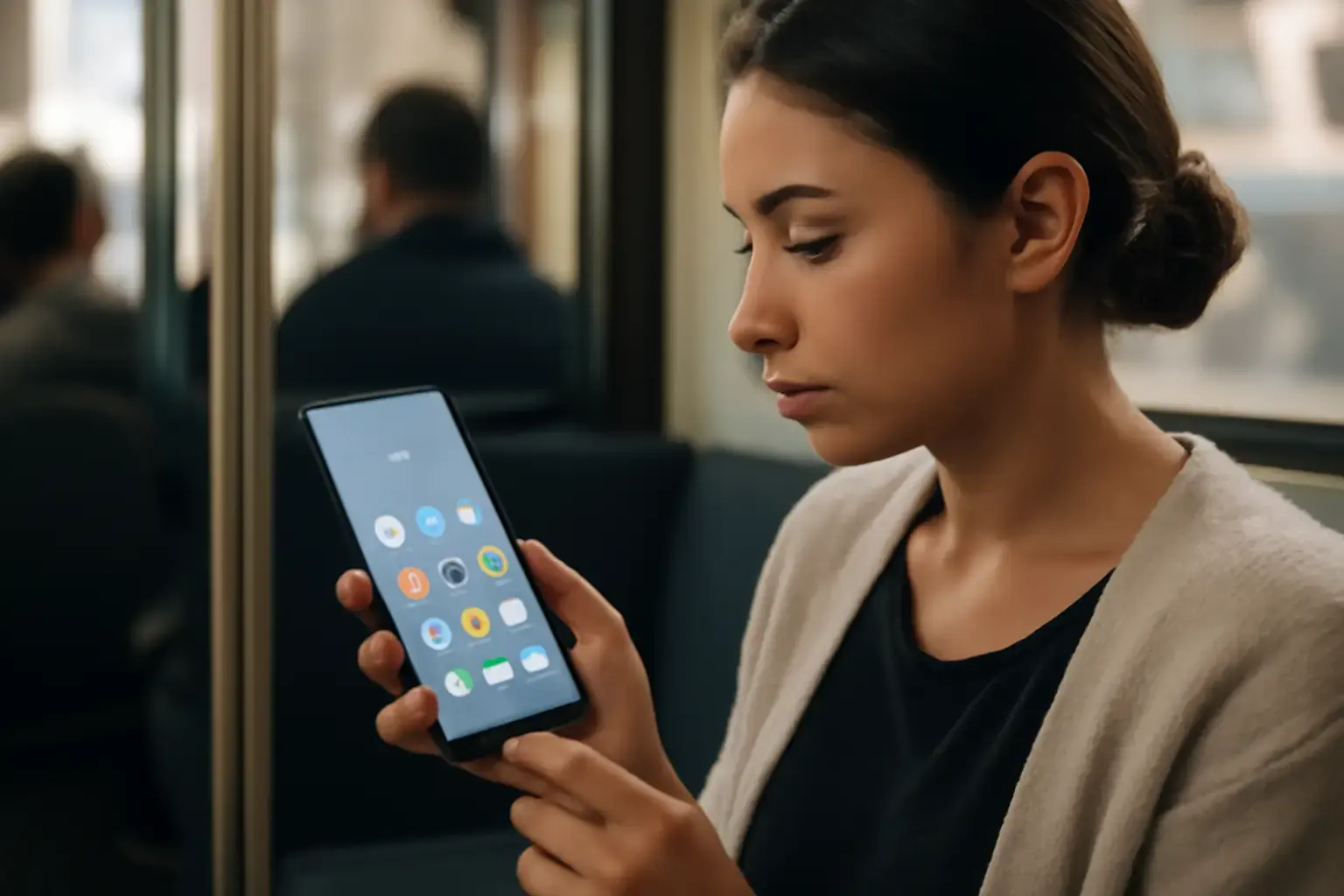
Why Choosing the Right Android Launcher Still Matters in 2026
It’s tempting to assume Android launchers have lost their importance. Modern Android versions are cleaner, smoother, and far more optimized than they were just a few years ago. But this overlooks a critical reality: the launcher is still the interface you interact with dozens—if not hundreds—of times every day. It directly affects how quickly you complete tasks, how often you get distracted, and how efficiently your device runs under real-world conditions.
In 2026, launchers are no longer just about visual customization. The best ones function as lightweight productivity layers on top of Android. They shape how information is surfaced, how quickly you access what you need, and how much unnecessary activity happens in the background. A cluttered, poorly optimized home screen can quietly drain both your battery and your focus. On the other hand, a well-configured launcher can make even mid-range hardware feel faster, more responsive, and significantly more intentional.
Many users invest heavily in flagship phones but never rethink their software experience. That’s a mistake. The launcher is one of the few components you can fully control—and optimizing it often delivers more noticeable day-to-day improvements than upgrading hardware.
Top Android Launchers for Productivity and Modern Use in 2026
If your goal is to improve speed, reduce distractions, and create a more intentional mobile experience, these launchers remain the most relevant—not because they’re new, but because they continue to evolve and stay aligned with modern Android usage patterns.
- Niagara Launcher
Niagara has matured into one of the most efficient launcher designs available. Its vertical app list eliminates the need for multiple home screens and reduces navigation friction dramatically. In 2026, its strength lies in how it integrates notifications directly into the home screen, allowing quick interactions without opening apps. This reduces context switching—a major productivity killer. It’s especially effective for one-handed use and users who want a distraction-free environment. - Microsoft Launcher
Microsoft Launcher continues to evolve alongside Microsoft 365. Its integration with Outlook, calendar, tasks, and cloud files makes it particularly powerful for work-focused users. In practical terms, this means fewer app switches and faster access to important information. However, it comes with trade-offs: higher resource usage and reduced value if you’re not actively using Microsoft services. - Smart Launcher 6
Smart Launcher has refined its automatic app categorization system, making it more accurate and useful in daily scenarios. It reduces the need for manual organization while maintaining a clean interface. Its adaptive layout and focus features make it a strong option for users who want structure without micromanagement. The downside is occasional misclassification, which can be frustrating for users who prefer strict control. - Action Launcher
Action Launcher remains one of the most powerful tools for advanced users. Features like “covers” and gesture shortcuts can significantly reduce interaction time when configured correctly. The key word is “configured.” Out of the box, it’s not optimized for speed or simplicity. Users who invest time into fine-tuning it will benefit greatly, while casual users may find it unnecessarily complex. - Hyperion Launcher
Hyperion continues to occupy the middle ground between simplicity and customization. It offers modern gesture support, strong theming options, and a familiar layout without overwhelming the user. It’s a practical choice for those who want flexibility but don’t want to spend hours tweaking settings.
Performance and Battery Impact: What Really Matters
One of the most common misconceptions is that switching to a different launcher will automatically improve battery life. In reality, the launcher itself is rarely the primary factor. What matters is how it behaves and how you use it.
Related reading: Top Voice Dictation and Transcription Apps for Phones and Tablets in 2026: What Really Boosts Productivity
- UI complexity: Heavy animations, live effects, and dense layouts require more GPU and CPU resources. Minimalist launchers reduce this overhead significantly.
- Widget strategy: Widgets are one of the biggest hidden drains. A single well-optimized widget is fine, but multiple frequently updating widgets can create constant background activity.
- Background services: Launchers that maintain feeds, suggestions, or live integrations often keep processes running in the background. This increases memory usage and can impact standby efficiency.
- Notification handling: Frequent refresh cycles or aggressive notification previews can wake the device more often than necessary.
In real-world usage, the biggest improvements come from simplifying your home screen. For example, replacing multiple widgets with a single consolidated one and reducing animation speeds often leads to more noticeable gains than switching launchers alone.
Choosing the Right Launcher for Your Actual Workflow
The biggest mistake users make is choosing a launcher based on features rather than how they actually use their phone. The right choice depends on your habits, not marketing claims.
| Use Case | Best Fit | Why It Works |
|---|---|---|
| Minimalism & Focus | Niagara Launcher | Reduces clutter and speeds up access with a single-handed interface |
| Work & Productivity | Microsoft Launcher | Deep integration with Microsoft services minimizes app switching |
| Automatic Organization | Smart Launcher 6 | Categorizes apps automatically, saving setup time |
| Advanced Customization | Action Launcher | Highly customizable, ideal for power users willing to configure |
| Balanced Experience | Hyperion Launcher | Offers flexibility without overwhelming complexity |
Another critical factor is gesture navigation compatibility. Some launchers still struggle with smooth gesture handling on certain devices. Always test this early before committing to a setup.
Common Mistakes That Reduce Launcher Effectiveness
Switching launchers is easy. Using one effectively requires discipline. Many users unintentionally recreate the same inefficiencies they were trying to fix.
See also: Best Cloud Storage Apps for Students Using Phones and Tablets to Organize Schoolwork in 2026
- Overloading the home screen: Too many widgets and shortcuts increase visual noise and slow down interactions.
- Ignoring optimization settings: Default animation speeds and background behaviors are not always efficient.
- Skipping backups: Losing a carefully configured layout can be frustrating and time-consuming to rebuild.
- Granting unnecessary permissions: Not all launcher features require access to personal data—review permissions carefully.
- Focusing on features instead of usability: More options don’t guarantee a better experience. Simplicity often wins.
A practical example: users often install a highly customizable launcher, add multiple widgets, enable all animations, and end up with a slower, more distracting experience than before. The issue isn’t the launcher—it’s the setup.
How to Configure Your Launcher for Real Gains
The difference between an average setup and a high-performance one comes down to configuration. Small adjustments can have a significant impact.
- Start from scratch: Avoid importing old layouts. Build intentionally.
- Limit visible elements: Keep only essential apps on your main screen.
- Use gestures: Assign shortcuts for frequent actions to reduce navigation time.
- Reduce animations: Lower animation speeds for better responsiveness.
- Control notifications: Only surface what truly matters.
- Iterate after usage: Adjust based on real behavior, not assumptions.
For additional productivity improvements, explore related guides on note and assignment management, voice typing apps, and scanning and document organization.
Final Recommendation: Choosing a Launcher That Actually Works for You
If you want immediate improvements with minimal effort, Niagara Launcher remains the most practical choice. It simplifies your workflow in a way that directly improves speed and focus.
Microsoft Launcher is the best option for users deeply integrated into Microsoft’s ecosystem, turning your phone into a functional extension of your work environment.
If you value customization, Action Launcher offers unmatched flexibility—but only if you’re willing to invest time optimizing it. Hyperion is a safer, more balanced alternative.
The most important takeaway is this: don’t chase complexity. A streamlined, intentional setup will consistently outperform a feature-heavy one. Choose a launcher that matches how you actually use your phone, refine it over time, and focus on usability over novelty.