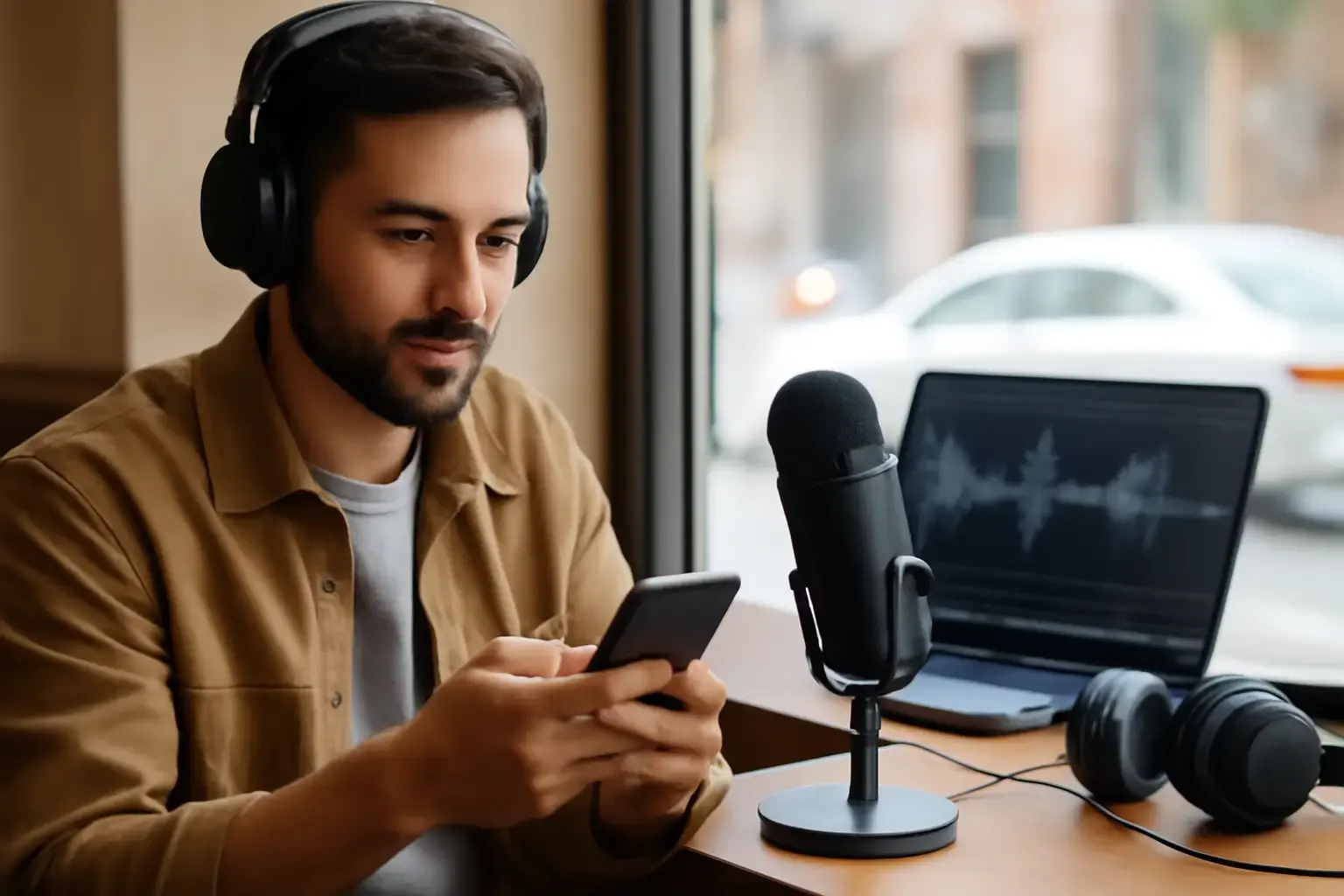
Why Choosing the Right Budget Audio Gear Matters for Podcast Hosts
Podcasting quality often hinges on clear, pleasant audio — but top-tier microphones and headphones can cost hundreds or even thousands of dollars. For many new or budget-conscious podcasters in 2026, the challenge is clear: find equipment that delivers professional-sounding results without overspending. This guide cuts through marketing hype and spec sheets to focus on real-world use, helping you pick microphones and headphones that fit your budget and boost your podcast’s sound quality.
Many podcasters make the mistake of prioritizing flashy features or brand names over core performance factors like vocal clarity, background noise rejection, and headphone comfort. Others fall into the trap of expecting ultra-low prices to deliver near-studio quality, which rarely happens. This article explains the key trade-offs and highlights specific options that offer the best value in 2026.
Top Budget Microphones for Podcasting: USB vs XLR and Sound Quality Realities
Microphones are the foundation of podcast sound. In 2026, budget podcast microphones fall into two main categories: USB mics that plug directly into your computer, and XLR mics that require an audio interface or mixer.
Related reading: Best Tablets for Artists and Designers in 2026: Pressure Sensitivity and App Support Compared
USB Microphones: USB mics remain the go-to choice for beginners and podcasters who value simplicity and portability. The latest models feature improved analog-to-digital converters with low latency, making recording straightforward without extra gear. However, USB mics can struggle in noisy environments due to limited internal noise rejection.
Recommended picks include:
- Audio-Technica ATR2100x-USB: A reliable hybrid USB/XLR mic offering solid vocal clarity and decent background noise rejection. It pairs well with desktop recording and requires minimal setup.
- Shure MV7: Inspired by the legendary SM7B, this USB mic is tailored for podcasting with onboard touch controls and adjustable EQ presets. It delivers a warm, broadcast-style tone but costs a bit more in the budget segment.
XLR Microphones: If you plan to scale your podcast studio or want maximum control over sound, XLR mics paired with a budget audio interface provide better sound quality and flexibility. They typically capture richer vocals and handle room noise better but require additional equipment and technical know-how.
- Shure SM58: Though often labeled as a live vocal mic, the SM58 remains a podcast staple for its durability and clean vocal capture at an affordable price. Pair it with the Focusrite Scarlett Solo interface for a solid entry-level setup.
- Rode PodMic: Designed specifically for podcasting, the PodMic offers a full-bodied midrange presence and excellent build quality under $120. It requires an interface but is a favorite among budget-conscious hosts.
Trade-offs: USB mics are plug-and-play but limited in audio quality and studio expandability. XLR mics require investing in interfaces and cables but offer long-term value and superior sound. Choose USB if you’re starting out solo or mobile; go XLR if you want a more professional, scalable setup.
See also: Best Android Tablets for Casual Gaming and Media in 2026: Performance and Battery Life Compared
Budget Headphones for Podcast Monitoring: Comfort, Accuracy, and Noise Isolation
Good headphones are crucial for editing, live monitoring, and ensuring your podcast sounds crisp. In 2026, budget headphones for podcasting focus on comfort for long sessions, accurate sound reproduction, and effective noise isolation.
Top budget headphone recommendations:
- Audio-Technica ATH-M20x: The entry-level model in a popular series, these headphones offer a balanced sound profile and enough isolation to catch subtle audio issues during editing without fatigue.
- Sony MDR-7506: A long-time industry favorite, these headphones provide excellent clarity and a flat frequency response, though they sit at the higher end of budget pricing. Their foldable design and durable build suit podcasters on the move.
- Superlux HD681: An underrated budget gem, the HD681 offers semi-open design for a natural soundstage and surprising detail retrieval for its price point. They’re less isolating but ideal if you prefer some ambient awareness.
Comfort and fit: Avoid headphones with tight clamping force or scratchy materials, as podcasters often wear them for hours. Look for adjustable headbands, padded ear cups, and replaceable cables to extend longevity.
Common Mistakes and What Most Podcasters Get Wrong on a Budget
Many new podcasters waste money chasing unnecessary bells and whistles or assume more expensive means better. Here are the top pitfalls to avoid:
You may also like: M4 MacBook Air vs M5 MacBook Pro: Which Laptop Should Developers and Students Buy in 2026? 💻⌨️
- Buying flashy USB microphones without testing sound quality: Some budget USB mics hype built-in processing that can introduce tinny or muffled tones. Always check sound demos or reviews focusing on voice clarity.
- Neglecting headphones until post-production: Good headphones aren’t just for mixing; podcast hosts should monitor live audio to catch issues immediately and ensure comfortable listening during long recording or editing sessions.
- Ignoring room acoustics: Even the best budget mic struggles in untreated rooms. Using DIY foam panels or moving to quieter spaces can improve audio quality more than upgrading gear prematurely.
- Skipping an audio interface with XLR mics: A poor-quality interface can bottleneck sound quality; budget interfaces like Focusrite Scarlett Solo or PreSonus AudioBox remain affordable ways to unlock mic potential.
Practical Setup Checklist for Budget Podcast Audio in 2026
To help you get started, here is a practical list of essential gear and considerations for budget podcast hosts:
- Microphone: Choose between USB (Audio-Technica ATR2100x, Shure MV7) or XLR (Rode PodMic, Shure SM58) depending on your setup complexity.
- Audio Interface (if XLR): Focusrite Scarlett Solo or PreSonus AudioBox for clean preamp and reliable connection.
- Headphones: Audio-Technica ATH-M20x or Sony MDR-7506 for monitoring and editing comfort.
- Pop filter and mic stand: Basic accessories like a pop shield and adjustable boom arm reduce plosives and allow flexible positioning.
- Room acoustics: Use blankets, foam, or cushions to reduce echo and background noise where possible.
- Recording software: Free options like Audacity or GarageBand provide solid multitrack recording and editing without cost.
For more on related budget accessories that can enhance your podcasting workflow, see our Best Tablet Accessories for Artists on a Budget in 2026 and Best Reading Apps for eBooks and PDFs on Tablets and Phones in 2026, which cover tools that might overlap with podcast scripting and research needs.
Conclusion: Invest Wisely in Budget Audio Gear to Elevate Your Podcast Quality
Budget podcast audio gear in 2026 strikes a delicate balance between cost, convenience, and sound quality. USB microphones are ideal for starters who want simplicity and speed, while XLR setups offer better long-term sound and flexibility if you’re ready to invest in an interface. Pair your mic choice with comfortable, accurate headphones to monitor and edit your recordings effectively. Avoid common mistakes like ignoring room acoustics or chasing specs over actual voice clarity.
By focusing on proven, well-reviewed budget microphones like the Audio-Technica ATR2100x or Rode PodMic and pairing them with reliable headphones such as the Audio-Technica ATH-M20x, you can produce professional-sounding podcasts without overspending. Remember that real improvement usually comes from thoughtful setup and practice, not just gear upgrades.