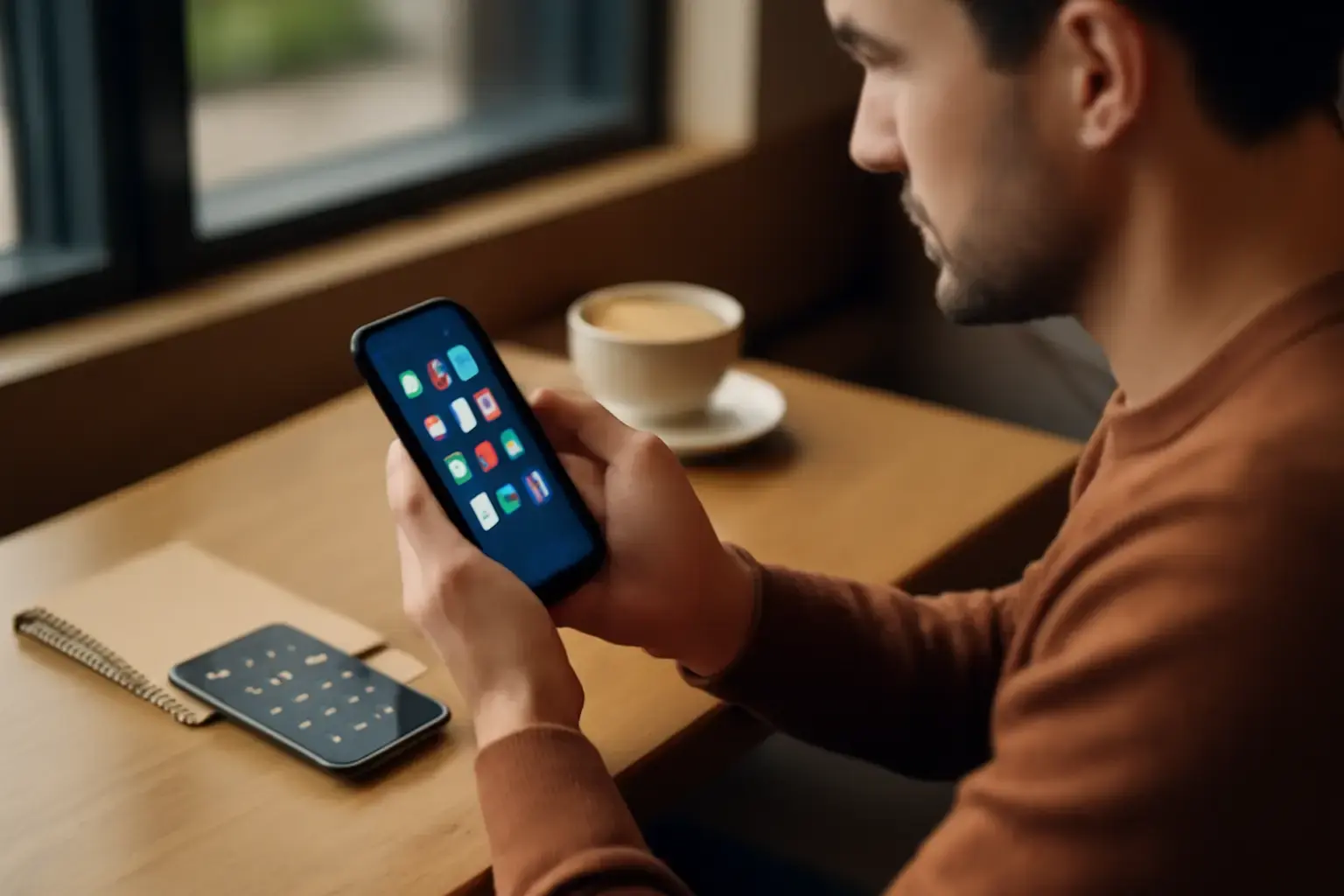
Why Budget Doesn’t Have to Mean Sacrificing Productivity
The idea that a sub-$400 smartphone is inherently slow or unreliable no longer holds up in 2026. What has changed isn’t just hardware—it’s optimization. Budget devices today are built with a clearer understanding of real-world usage: messaging, video calls, cloud-based workflows, document editing, and multitasking across apps.
But there’s a catch. The gap between a well-chosen budget phone and a poor one is wider than ever. Some models deliver a smooth, dependable experience for years. Others look great on paper but struggle under everyday workloads. Productivity isn’t about peak performance—it’s about how consistently a device performs over time without friction.
This updated guide replaces outdated picks with newer, relevant models that better reflect today’s market. The focus remains the same: helping you choose a device that actually supports your work instead of slowing it down.
What Matters Most in a Modern Budget Productivity Phone
The fundamentals haven’t changed—but expectations have. With newer chipsets and improved software policies, the baseline for a “good” budget phone is higher. Here’s what you should prioritize now:
- Modern mid-range processors: Look for newer Snapdragon 6 Gen series or MediaTek Dimensity chips. These offer better efficiency and sustained performance compared to older entry-level processors.
- Minimum 6GB RAM (preferably 8GB): Multitasking has become more demanding. Running multiple apps, switching between browser tabs, and handling background sync tasks requires more headroom.
- Battery endurance with fast charging: 5,000 mAh is now standard, but faster charging (25W or more) significantly improves usability during busy days.
- High-quality displays: Full HD+ resolution with at least a 90Hz refresh rate is becoming the norm. This directly impacts comfort during long reading and scrolling sessions.
- Software longevity: Devices offering at least 2–3 years of updates are now essential for security and long-term usability.
In short, the modern budget phone should feel predictable and responsive, not just “fast enough” in short bursts.
Best Budget Smartphones Under $400 in 2026 (Updated Picks)
These models reflect the current generation of budget devices that prioritize real-world productivity rather than just spec sheet appeal.
Google Pixel 7a
The Pixel 7a replaces older Pixel models as the go-to recommendation in this price range. It builds on the same philosophy: clean software, strong AI features, and long-term usability.
The Tensor G2 chip delivers smoother sustained performance compared to previous generations, especially in tasks like voice dictation, real-time translation, and background processing. For productivity, this matters more than raw benchmark scores. The device feels responsive even after extended use, which is critical for work-focused users.
The OLED display is sharp and now supports higher refresh rates, improving scrolling and navigation. Battery life is consistent, and while charging speeds aren’t class-leading, they are manageable.
Best for: Users who want a clean, reliable Android experience with minimal maintenance.
Trade-off: Charging speed still lags behind some competitors.
Samsung Galaxy A25 5G
Samsung’s newer A-series models have become significantly more competitive. The Galaxy A25 5G improves on earlier generations with better performance, smoother displays, and longer update support.
Its Exynos chipset handles everyday multitasking well, and the 120Hz display makes the interface feel noticeably more fluid. Samsung’s software has matured, offering a balance between features and stability, although it still benefits from some manual cleanup to remove unnecessary apps.
Samsung’s extended update policy is a major advantage here, making it a safer long-term investment compared to lesser-known brands.
Best for: Users who want a feature-rich phone with strong long-term support.
Trade-off: Slightly heavier software compared to stock Android.
Motorola Moto G84
The Moto G84 represents a shift for Motorola toward more balanced devices. Unlike older “Power” models that focused heavily on battery, this one offers a better mix of performance, display quality, and usability.
It features a high-quality OLED display and improved performance thanks to a more capable chipset. Motorola’s near-stock Android remains a strong advantage, keeping the experience clean and responsive.
Battery life is still solid, though not as extreme as older battery-focused models. In exchange, you get a more well-rounded device that handles productivity tasks more comfortably.
Best for: Users who want a clean interface with balanced performance.
Trade-off: Software update commitment is not as strong as Samsung or Google.
Redmi Note 13 5G
This model represents the “value-first” category, offering strong hardware at a competitive price. It features a fast refresh rate display, capable chipset, and large battery, making it attractive for budget-conscious buyers.
However, the trade-offs remain similar: heavier UI customization and pre-installed apps. The experience can be optimized, but it requires effort. Once tuned, it performs well for messaging, browsing, and moderate multitasking.
Best for: Users who prioritize hardware value and don’t mind tweaking settings.
Trade-off: More aggressive software customization and occasional ads.
Comparison of Updated Budget Picks
| Device | Strength | Weakness | Ideal User |
|---|---|---|---|
| Pixel 7a | Clean OS, AI features, stability | Slower charging | Productivity-focused users |
| Galaxy A25 5G | Display, updates, features | Software bloat | Long-term users |
| Moto G84 | Clean UI, balanced performance | Shorter update support | Minimalist users |
| Redmi Note 13 5G | Value, hardware specs | Ads, heavier UI | Budget optimizers |
Who Should Still Avoid Budget Phones
Even with these improvements, budget phones are not universal solutions. If your work involves intensive multitasking, heavy gaming, or professional-grade media editing, you’ll quickly reach the limits of this category.
Another important consideration is longevity. While update policies have improved, premium devices still offer more predictable long-term support. If you plan to keep your phone for many years without compromise, stretching your budget may be worthwhile.
Also, avoid unfamiliar brands that offer unusually high specs at very low prices. These often come with weak software support and inconsistent quality control—issues that only appear after extended use.
Common Mistakes That Still Apply in 2026
- Overvaluing specs: A faster processor doesn’t guarantee a smoother experience if the software is poorly optimized.
- Ignoring software updates: Security and performance degrade quickly without ongoing support.
- Choosing low-quality displays: This impacts daily comfort more than most people expect.
- Buying the cheapest option available: The lowest price often comes with hidden compromises in reliability.
- Not considering real usage: Always evaluate how the phone performs in your actual workflow, not theoretical scenarios.
Why These Updated Picks Make More Sense Today
The difference between older budget phones and current models is not just incremental—it’s practical. Newer devices focus more on sustained performance, smoother interfaces, and longer usability rather than chasing isolated features.
The Pixel 7a stands out for its intelligent software and reliability. The Galaxy A25 5G offers a balanced experience with strong update support. The Moto G84 provides a clean and efficient interface for distraction-free work. And the Redmi Note 13 5G delivers strong value for those willing to fine-tune their setup.
Each of these phones solves a different problem—but all of them avoid the biggest pitfall of budget devices: inconsistency.
If you’re considering stepping slightly above this range for additional performance headroom, explore Top Phones Under $500 in 2026 That Actually Boost Multitasking and Productivity. For a more complete mobile setup, pairing your device with external tools can also help—see The Best Budget Keyboards for Students and Developers in 2026.
Related: Best Phones Launched in Early 2026 for Mobile Productivity Users: Buying and Setup Guide 📱💡
Related: Best Mechanical Keyboards Under $150 for Developers in 2026 ⌨️
Related: Top Phones Under $400 in 2026 for Real-World Productivity and Daily Work
Final recommendation: If you want the most reliable productivity experience under $400, the Pixel 7a remains the safest choice. For longer update support and a feature-rich ecosystem, the Galaxy A25 5G is a strong alternative. If you prefer simplicity and a clean interface, the Moto G84 delivers a balanced experience. And if your priority is maximizing hardware value per dollar, the Redmi Note 13 5G is worth considering—provided you’re willing to optimize it. The best choice ultimately depends on how closely the phone aligns with your daily workflow, not just its specifications.