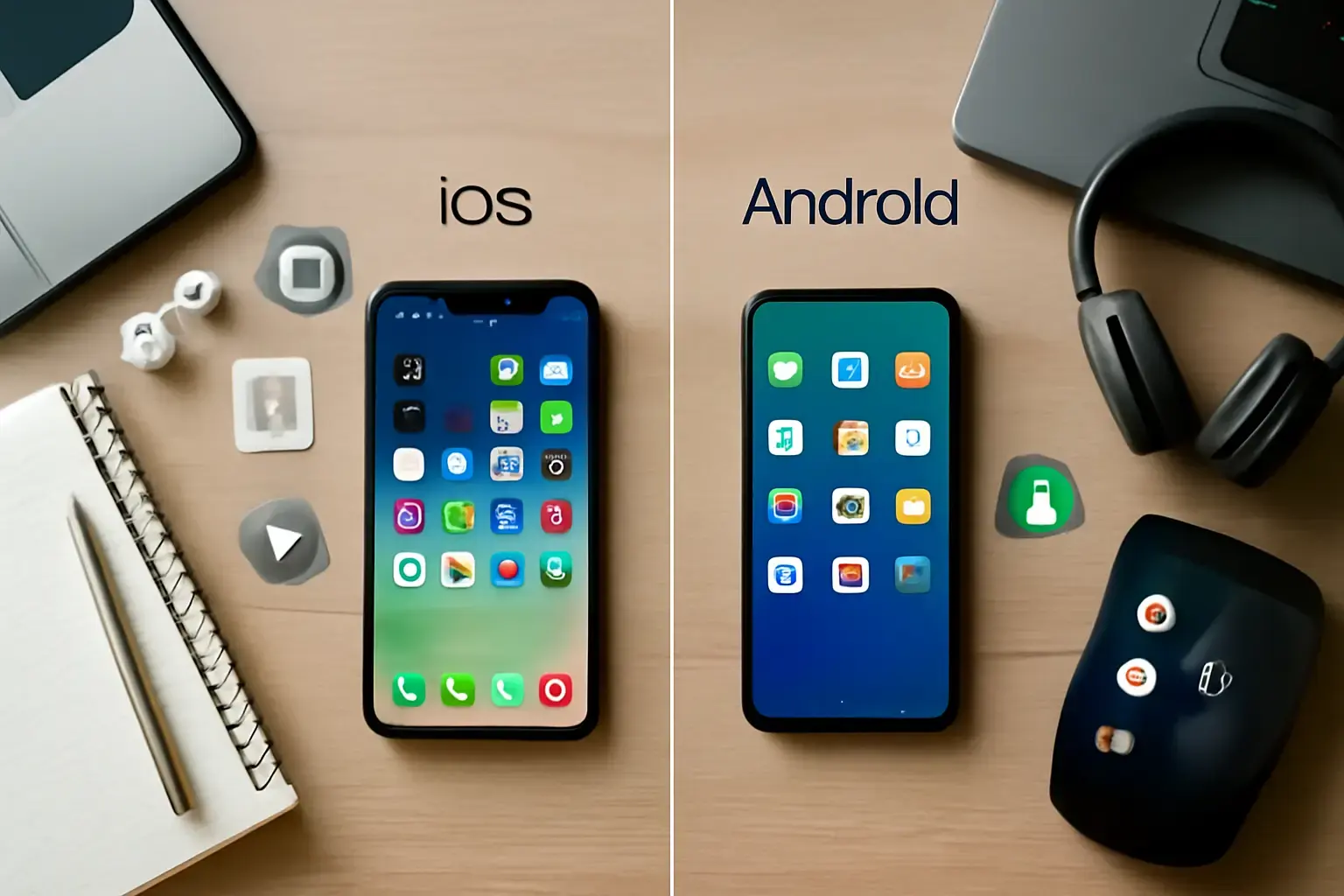
Why the Phone Ecosystem Matters More Than Just Specs in 2026
Spec sheets have never been easier to compare—and less useful for making a smart buying decision. Nearly every midrange and flagship phone in 2026 delivers fast performance, capable cameras, and all-day battery life. What actually shapes your daily experience is the ecosystem behind the device: how well your phone works with your laptop, tablet, wearables, apps, and services over time.
If your phone is your primary tool for communication, work, content creation, and organization, ecosystem choices directly impact how efficiently you move through your day. A well-integrated ecosystem saves time, reduces friction, and keeps your data consistent across devices. A poorly matched one leads to constant workarounds.
This is where the real decision lies. Whether you choose iOS, Android, or a more experimental platform determines not just what your phone can do today—but how it fits into your workflow for the next several years.
iOS in 2026: Reliability, Longevity, and Tight Integration
Apple’s iOS ecosystem continues to prioritize consistency and predictability. If you value a setup that “just works” across multiple devices without constant tweaking, iOS still sets the benchmark.
What makes iOS particularly strong in 2026 isn’t raw innovation—it’s refinement. Apple focuses on eliminating friction across devices and maintaining long-term usability.
- Long-term software support: iPhones typically receive five or more years of updates. This isn’t just about security—it means your apps remain compatible and your device feels current longer.
- Seamless cross-device workflows: Features like file syncing, clipboard sharing, and task continuity between iPhone, iPad, and Mac are deeply integrated and reliable.
- High-quality app ecosystem: Developers still prioritize iOS for polished, optimized apps—especially in creative and productivity categories.
- Accessory consistency: From smartwatches to wireless audio and even emerging AR devices, accessories tend to integrate smoothly with minimal setup.
In practical terms, this means less time troubleshooting and more time working. For example, if you frequently move between your phone and laptop during meetings, iOS makes this transition almost invisible. Notes sync instantly, calls transfer seamlessly, and shared files are always accessible.
That said, iOS comes with clear trade-offs:
- Limited customization: You can adjust the interface, but not fundamentally change how the system behaves.
- Restricted system access: File management and background processes are tightly controlled, which can frustrate advanced users.
- Ecosystem cost: The full benefit of iOS often requires additional Apple hardware, which increases total investment.
iOS is best suited for professionals, students, and creatives who want reliability over experimentation. If your priority is minimizing friction and maximizing consistency, it’s hard to beat.
Related reading: How to Choose a Phone with Great Camera Performance for Social Media Content Creators Under $700
Android in 2026: Control, Variety, and Smarter Hardware Choices
Android remains the most flexible mobile ecosystem, but that flexibility comes with responsibility. Choosing the right Android phone requires more research—but rewards you with more control.
The biggest advantage of Android is choice. You’re not locked into a single hardware vision or pricing tier. Instead, you can tailor your device to your exact needs.
- Deep customization: You can change launchers, automate workflows, and configure default apps to match your habits.
- Hardware diversity: Foldables, high-zoom cameras, stylus-equipped devices, and gaming-focused phones all exist within Android.
- Flexible pricing: Strong options exist at nearly every price point, making Android accessible without sacrificing capability.
- Integration with broader ecosystems: Android works well with Windows PCs, cloud services, and cross-platform tools.
For example, if you rely heavily on multitasking or want to experiment with foldable form factors, Android is the only ecosystem offering meaningful options today. Devices like foldables can genuinely improve productivity—if your workflow supports them.
However, Android’s biggest weakness is inconsistency:
- Software update fragmentation: Not all manufacturers provide timely or long-term updates.
- Varying software quality: Custom skins can improve or degrade the user experience depending on the brand.
- App optimization gaps: Some apps still perform better on iOS due to tighter hardware/software alignment.
This means your experience depends heavily on the specific device you choose—not just the platform itself. Flagship models from major brands generally offer better support and stability, while cheaper devices often cut corners in software maintenance.
Android is ideal for users who want control over their setup, need specific hardware features, or prefer flexibility over uniformity. It rewards informed buyers but punishes impulse decisions.
Emerging Phone Ecosystems: Promising but Not Yet Practical for Most
Beyond iOS and Android, alternative mobile platforms are gaining attention—but they remain niche for a reason. Options like privacy-focused Android forks or proprietary systems tied to specific manufacturers aim to challenge the status quo.
The appeal is clear:
- Privacy-first design: Reduced reliance on major data ecosystems appeals to users concerned about tracking.
- Open-source flexibility: Greater transparency and control for developers and enthusiasts.
- Sustainability focus: Some platforms align with repairable hardware and longer device lifecycles.
In theory, these platforms address real frustrations with mainstream ecosystems. In practice, they introduce new limitations that most users can’t ignore.
- Limited app availability: Many essential productivity apps may be missing or poorly supported.
- Weaker accessory ecosystems: Compatibility with wearables and peripherals is often limited.
- Steeper learning curve: Setup and maintenance require more technical knowledge.
These platforms are best viewed as experimental tools rather than mainstream replacements. If your workflow depends on widely used apps or services, switching too early can disrupt productivity instead of improving it.
See also: AMOLED vs LCD Screens on Phones and Tablets: Which Display Type Fits Your Daily Use?
Choosing the Right Ecosystem Based on How You Actually Work
The smartest way to choose a phone in 2026 is to start with your workflow—not the device. Think about how you use your phone daily and what slows you down.
| User Type | Best Ecosystem | Why It Fits |
|---|---|---|
| Professionals & students | iOS | Reliable syncing, long-term updates, minimal friction |
| Tech enthusiasts | Android | Customization, hardware variety, experimental features |
| Budget-conscious users | Android | Wide range of capable devices at lower prices |
| Privacy-focused users | Emerging platforms | Reduced tracking, more control over data |
The key is alignment. A powerful phone with the wrong ecosystem will slow you down more than a slightly less advanced device that integrates perfectly with your workflow.
Common Mistakes That Lead to Regret
Many buyers focus on the wrong factors and end up with a device that doesn’t fit their needs. Avoid these common pitfalls:
- Buying based on specs alone: Performance differences are minimal in daily use, but ecosystem mismatches create constant friction.
- Ignoring update policies: A phone without long-term support becomes outdated faster than expected.
- Switching ecosystems impulsively: Moving between platforms often means repurchasing apps, relearning workflows, and losing integration benefits.
- Overlooking accessory compatibility: Your smartwatch, earbuds, and other peripherals may not work as well—or at all—outside their native ecosystem.
- Chasing trends: Foldables and niche features are exciting, but only valuable if they improve your actual workflow.
A practical approach is to map your daily tasks—communication, file sharing, note-taking, media creation—and evaluate how each ecosystem supports them. This reveals trade-offs much more clearly than spec comparisons.
Final Recommendation: Choose the Ecosystem, Not Just the Phone
In 2026, the smartest phone buyers aren’t choosing devices—they’re choosing ecosystems. The right decision comes down to how well that ecosystem supports your daily habits over time.
If you want a dependable, low-maintenance experience that integrates seamlessly across devices, iOS remains the safest and most consistent choice. If you prefer flexibility, hardware variety, and control over your setup, Android offers unmatched freedom—provided you choose your device carefully. Emerging platforms are worth watching, but for most users, they’re not yet practical replacements.
Before you buy, look beyond the phone itself. Consider the apps you rely on, the devices you already own, and how you work every day. A well-chosen ecosystem will quietly improve everything you do—while the wrong one will constantly get in your way.
For more detailed flagship comparisons within these ecosystems, see Samsung Galaxy Z Fold 9 vs Apple iPhone Fold 2026: Which Foldable Smartphone Offers the Best Daily Productivity? and Samsung Galaxy S26 Ultra vs Google Pixel 8 Pro: Which Android Phone Has the Best Camera for Travelers?. Also, the guide iPhone vs Android for Everyday Users in 2026: Which Should You Choose? offers a broader perspective on typical user choices.