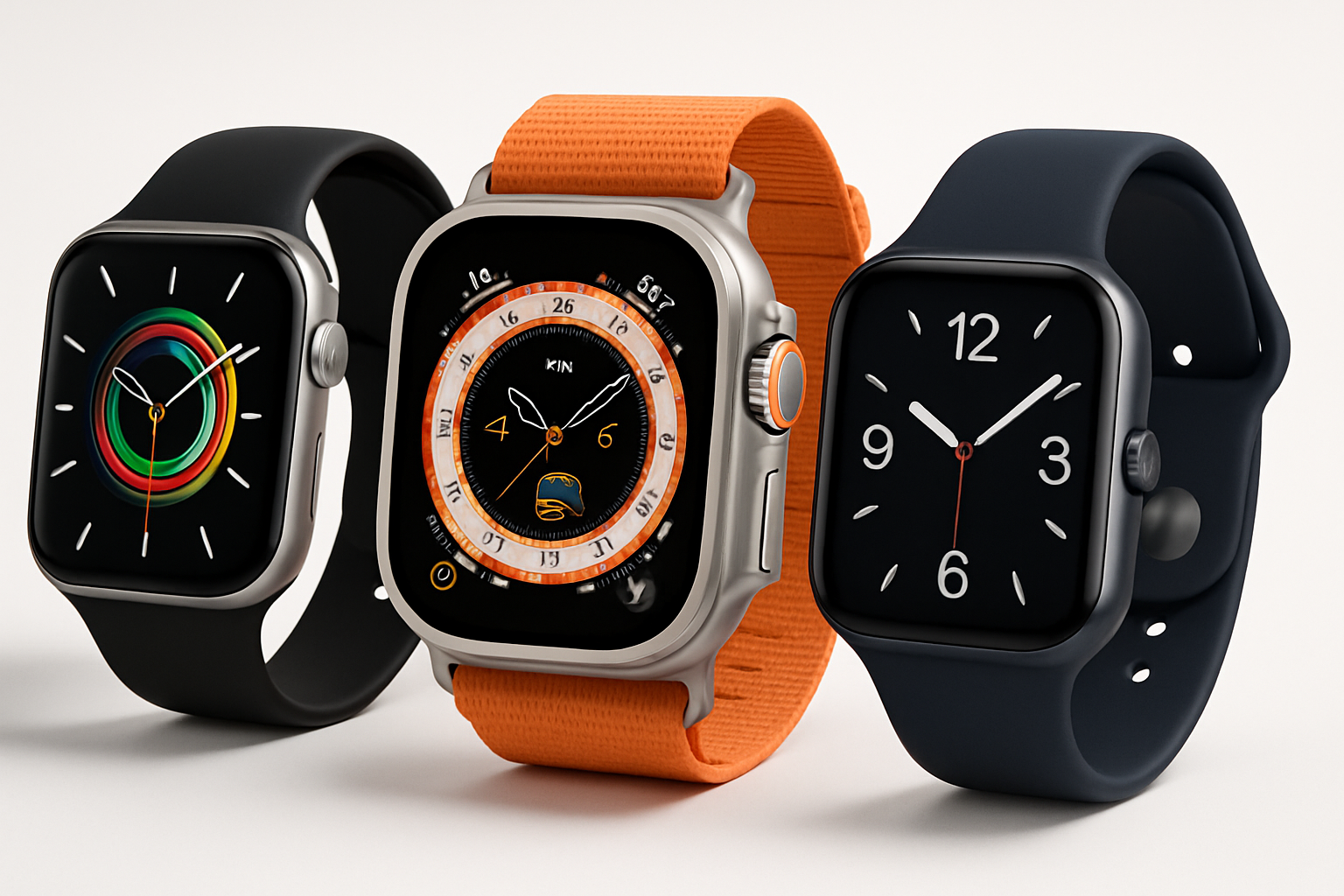
Apple Watch Series 11 vs Ultra 3 vs SE 3: Which One Actually Fits Your Life in 2026?
Choosing between the latest Apple Watch models isn’t just about specs—it’s about how the watch fits into your daily routine. Whether you're tracking workouts, managing notifications, or relying on advanced safety tools, the right choice depends heavily on how you live and work.
In 2026, Apple’s lineup is clearly segmented: the Series 11 targets most users, the Ultra 3 pushes into rugged, professional territory, and the SE 3 keeps things simple and affordable. But the real question isn’t which is “best”—it’s which one makes sense for you long-term.
This guide breaks down each model with practical insights, real-world use cases, and the trade-offs that actually matter.
The Everyday Sweet Spot: Apple Watch Series 11
The Series 11 is where Apple refines its core smartwatch experience. It’s not trying to be extreme or budget-focused—it’s designed to be the watch most people should buy.
Performance improvements are noticeable in daily use. Apps launch faster, animations feel smoother, and switching between tasks is more responsive. While that might sound incremental, it adds up quickly if you rely on your watch throughout the day.
Health tracking is another area where the Series 11 quietly excels. With improved sensors for heart rate and blood oxygen, it delivers more reliable data without requiring you to think about it. For most users, this level of tracking is more than sufficient.
The always-on Retina display remains one of its strongest features. It’s bright, readable in sunlight, and doesn’t require exaggerated wrist movements to check the time or notifications.
Where the Series 11 Works Best
- Daily productivity (notifications, calls, reminders)
- Fitness tracking without needing pro-level metrics
- Users deeply integrated into the Apple ecosystem
- People who want a balance of comfort, performance, and features
Trade-offs to Consider
- Not built for extreme environments or heavy outdoor use
- Costs more than the SE 3 without offering “Ultra-level” features
- Battery life still requires daily charging for most users
Bottom line: If you don’t have a specific reason to go Ultra or budget constraints pushing you to SE, the Series 11 is the safest and smartest choice.
Built for Extremes: Apple Watch Ultra 3
The Ultra 3 isn’t just a bigger Apple Watch—it’s a different category of device. It’s built for people who push their gear harder than average, whether that’s through outdoor adventures, demanding jobs, or endurance sports.
The titanium build immediately stands out. It feels more substantial, more durable, and more purpose-built. But that durability comes with weight and bulk—something many users underestimate until they wear it daily.
The larger display is not just about size—it’s about usability. In bright sunlight, underwater, or during intense activity, visibility becomes a real advantage. Add to that improved GPS accuracy and extended battery life, and the Ultra 3 becomes a serious tool, not just a smartwatch.
Its specialized features—like advanced dive metrics and emergency safety tools—are genuinely useful, but only for the right audience.
Who Should Seriously Consider the Ultra 3
- Outdoor enthusiasts (hiking, diving, climbing)
- Endurance athletes needing long battery life
- Professionals working in tough environments
- Users who prioritize durability over comfort
Where It Falls Short
- Overkill for casual users or office environments
- Bulkier design can feel uncomfortable for smaller wrists
- Significantly higher price without universal benefits
Reality check: Many buyers are drawn to the Ultra 3 for its design and perceived “top-tier” status. But unless you actively use its advanced capabilities, you’re paying for features that won’t improve your daily experience.
The Practical Entry Point: Apple Watch SE 3
The SE 3 strips the Apple Watch experience down to its essentials—and for many users, that’s exactly the right approach.
You still get core features like activity tracking, notifications, and fall detection. Performance is solid for everyday tasks, and the overall experience remains smooth enough for most use cases.
Where the SE 3 cuts corners is in advanced health tracking and display technology. There’s no always-on display, and you won’t get features like blood oxygen monitoring. For some users, that’s a dealbreaker—but for others, it’s unnecessary complexity anyway.
Best Fit for the SE 3
- First-time smartwatch buyers
- Users focused on basic fitness tracking
- People who want Apple integration at a lower cost
- Those who prefer a lightweight, simple device
Limitations You Should Accept Upfront
- Fewer health sensors compared to higher-end models
- No always-on display (you must raise your wrist)
- Less premium materials and build quality
Key insight: The SE 3 isn’t a “cheap version” of the Apple Watch—it’s a focused version. If you don’t need advanced features, it avoids unnecessary complexity.
Side-by-Side Perspective: What Actually Matters
| Feature | Series 11 | Ultra 3 | SE 3 |
|---|---|---|---|
| Target User | General users | Adventurers & professionals | Budget & beginners |
| Build Quality | Premium | Rugged titanium | Basic |
| Display | Always-on Retina | Larger, ultra-bright | Standard display |
| Health Features | Advanced | Advanced + specialized | Basic |
| Battery Life | Moderate | Longest | Good for price |
| Comfort | Lightweight | Heavier | Very lightweight |
This comparison highlights an important truth: each model is optimized for a different kind of user. There’s no universal winner.
How Your Daily Routine Should Drive Your Decision
Instead of focusing on specs, think about how you’ll actually use the watch.
- If your day revolves around notifications, quick replies, and light fitness tracking: The Series 11 delivers the best balance.
- If you spend significant time outdoors or need reliability in tough conditions: The Ultra 3 justifies its size and price.
- If you mainly want step tracking, basic health data, and Apple ecosystem access: The SE 3 is more than enough.
A common mistake is overestimating how often you’ll use advanced features. Many users buy high-end models with ambitions (e.g., diving, endurance training) that never materialize.
Battery Life: The Overlooked Decision Factor
Battery life differences can have a bigger impact than most buyers expect.
- Ultra 3: Best for multi-day use or long outdoor sessions
- Series 11: Typically requires daily charging
- SE 3: Similar habits to Series 11, slightly less demanding
If you dislike daily charging—or often forget—it may push you toward the Ultra 3 more than any feature list.
Common Buying Mistakes (and How to Avoid Them)
- Buying the Ultra 3 “just in case”: If you don’t regularly face extreme conditions, it’s unnecessary.
- Ignoring comfort: A heavier watch can become annoying over time.
- Overvaluing advanced health metrics: Many users rarely check them after the first few weeks.
- Choosing based on looks alone: Design matters, but daily usability matters more.
The smartest buyers prioritize long-term comfort and real usage over headline features.
Productivity and Ecosystem Integration
All three models benefit from Apple’s ecosystem. You’ll get seamless syncing with your iPhone, access to Siri, calendar alerts, and messaging across the board.
However, the Series 11 and Ultra 3 feel noticeably faster when multitasking or using more demanding apps. If you rely heavily on your watch for productivity—not just fitness—this difference becomes meaningful.
For lighter use, the SE 3 holds up well and doesn’t feel limiting unless you push it beyond basic tasks.
If you're looking to extend your workflow beyond wearables, you might find this guide helpful: Best AI Tools for Productivity Without Adding More Busywork 🤖⌨️.
Buyer Takeaway: Make the Smart Choice
Choosing between the Series 11, Ultra 3, and SE 3 comes down to aligning features with reality—not aspiration.
The Series 11 is the most balanced option and will satisfy the majority of users without compromise. The Ultra 3 is a specialized tool—excellent for the right person, excessive for everyone else. The SE 3 proves that you don’t need premium features to get real value from a smartwatch.
Before you decide, ask yourself one simple question: Will I actually use what I’m paying for?
Answer that honestly, and the right Apple Watch becomes obvious.
Practical Takeaways
The best Apple Watch in 2026 isn’t defined by specs—it’s defined by how well it fits into your everyday life, your habits, and your expectations.
Common Mistakes to Avoid
- Choosing based on trends instead of real needs
- Ignoring comfort and long-term wearability
- Overpaying for features you won’t use