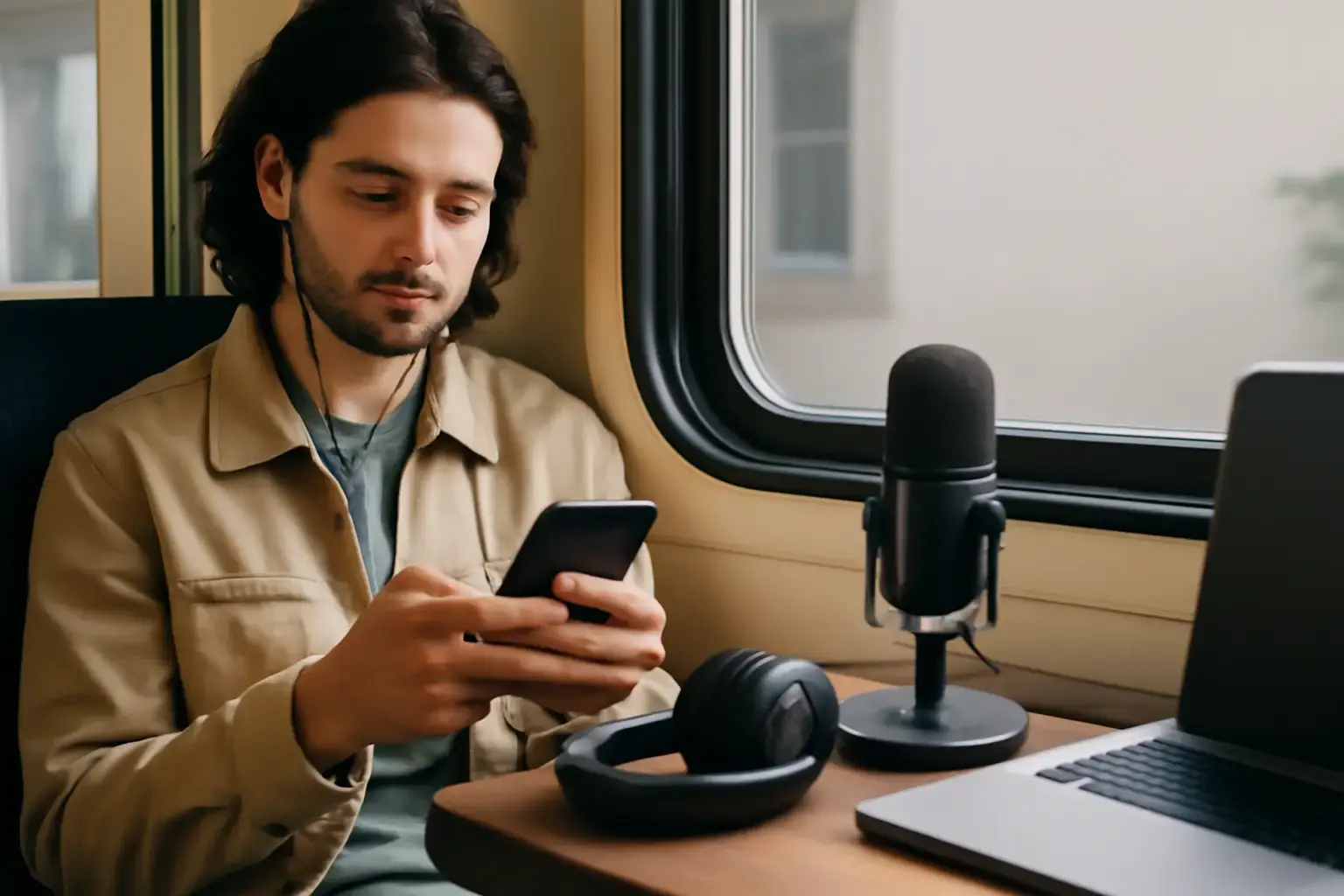
In 2026, choosing the best budget podcast microphone is about getting clear voice quality, low background noise, and reliable recording performance without overspending.
If your podcast sounds thin, echoey, or noisy, listeners may leave before your content has a chance to prove its value. The right current-gen microphone can fix that problem by making your voice sound cleaner, warmer, and more professional in a home podcast setup.
This guide compares the best current-gen microphones in 2026 for podcasters on a budget, including USB, XLR, dynamic, and condenser options for beginners, YouTube podcasts, interviews, and noisy rooms.
Quick Comparison Table
If you are choosing between USB and XLR microphones, your decision should depend on whether you prioritize simplicity or long-term audio quality upgrades. USB mics are easier for beginners, while XLR mics offer more control when paired with an audio interface.
| Mic | Type | Best For | Noise Rejection | Price Range |
|---|---|---|---|---|
| Samson Q2U | Dynamic USB/XLR | Best podcast mic for beginners | Very Good | $60–$90 |
| Audio-Technica AT2005USB V2 | Dynamic USB/XLR | Flexible home podcast setup mic | Excellent | $70–$100 |
| Rode NT-USB Mini | USB Condenser | Desktop podcasting and voiceovers | Good | $90–$120 |
| Shure MV7X | XLR Dynamic | Best voice quality on a budget | Excellent | $150–$180 |
| Fifine K690 | USB Condenser | Interviews and multi-person podcasts | Moderate | $70–$110 |
Why Voice Clarity Matters More Than Ever for Budget Podcasters
Podcast listeners usually judge audio quality within the first few seconds. A weak microphone can make a good episode sound amateur, while a clear microphone helps your voice feel more trustworthy and easier to follow.
For budget podcasters, the goal is not to buy the most expensive studio microphone. The smarter goal is to choose a mic that matches your room, recording style, and technical comfort level.
A dynamic microphone can reduce background noise in bedrooms, offices, and shared apartments. A USB microphone can simplify setup for beginners. An XLR microphone can support a more professional workflow as your podcast grows.
What Actually Makes a Podcast Microphone Sound Good?
A good podcast microphone is not only about frequency response or sample rate. For spoken-word content, the most important factors are vocal focus, low noise, and consistent recording quality.
- Noise Rejection: Helps reduce keyboard clicks, fans, traffic, and room reflections.
- Vocal Presence: Makes your voice sound full, clear, and easy to understand.
- Ease of Use: Matters especially for beginners who want a cheap USB microphone for podcasting without complicated setup.
- Upgrade Path: USB/XLR microphones allow you to start simple and upgrade later.
- Room Compatibility: Some mics work better in noisy rooms, while others need quieter spaces.
Key Considerations Before Buying a Budget Podcast Microphone
USB vs XLR Microphones
USB microphones are best for beginners because they connect directly to a computer or tablet. They are simple, affordable, and ideal for solo creators, online interviews, and YouTube podcasts.
XLR microphones require an audio interface, but they offer better upgrade flexibility and more control over the recording chain.
If you are unsure, a USB/XLR hybrid microphone is often the safest long-term choice.
Dynamic vs Condenser Microphones
Dynamic microphones are usually better for podcasting in noisy or untreated rooms because they focus more tightly on your voice.
Condenser microphones can sound more detailed, but they also capture more background noise and echo.
For most beginners recording at home, a dynamic podcast microphone is the more forgiving option.
Best Current-Gen Microphones in 2026 for Podcasters on a Budget
1. Samson Q2U
Best for: Beginners who want the safest all-around starter microphone.
Mini Verdict: ✔ Best for beginners | ✔ Great for untreated rooms | ✘ Not the most refined vocal tone
Why it ranks: The Samson Q2U remains one of the best budget podcast microphones in 2026 because it combines USB simplicity, XLR upgrade potential, and strong voice clarity at a beginner-friendly price.
Who should buy it: Choose the Q2U if you are starting your first podcast, recording from a bedroom, or building a basic home podcast setup mic system without extra complexity.
Limitations: It does not sound as rich as higher-end broadcast microphones, but it performs extremely well for the price.
- USB and XLR connectivity
- Dynamic capsule for better noise control
- Good beginner accessories
- Easy plug-and-play setup
- Excellent value for new podcasters
2. Audio-Technica AT2005USB V2
Best for: Podcasters who want flexibility and long-term upgrade potential.
Mini Verdict: ✔ Best flexible choice | ✔ Excellent noise rejection | ✘ Basic included stand
Why it ranks: The Audio-Technica AT2005USB V2 is a strong budget podcast microphone because it delivers clean spoken-word audio, durable build quality, and both USB and XLR outputs.
Who should buy it: It is ideal for podcasters who want to start with USB recording now and move to an XLR audio interface later.
Limitations: The microphone benefits from a better boom arm or stand if you plan to record regularly.
- USB/XLR hybrid design
- Strong background noise rejection
- Clear voice performance
- Durable metal body
- Good for long-term podcast growth
Related reading: Best Current-Gen Noise-Canceling Headphones for Commuters Facing Long Daily Public Transport Hours in 2026
3. Rode NT-USB Mini
Best for: Compact desktop recording, solo podcasting, and YouTube voiceovers.
Mini Verdict: ✔ Best desktop USB mic | ✔ Clean vocal detail | ✘ Not ideal for noisy rooms
Why it ranks: The Rode NT-USB Mini is one of the best microphones for YouTube podcasts and compact desktop setups because it offers polished USB sound with very little setup required.
Who should buy it: Choose it if you record in a quiet room and want a simple, modern, plug-and-play microphone for podcasting, streaming, or voiceover work.
Limitations: Because it is a condenser mic, it may capture more keyboard noise, room echo, and background sound than dynamic alternatives.
- Compact USB-C design
- Clear and detailed vocal capture
- Built-in pop filter
- Low-latency monitoring
- Great for clean desktop setups
4. Shure MV7X
Best for: Podcasters who want professional vocal quality on a reasonable budget.
Mini Verdict: ✔ Best voice quality | ✔ Excellent for noisy rooms | ✘ Requires audio interface
Why it ranks: The Shure MV7X delivers broadcast-style vocal tone and strong background noise rejection, making it one of the best budget-friendly XLR microphones for serious podcasters.
Who should buy it: Choose the MV7X if you already have an audio interface or want to build a more professional podcast setup from the beginning.
Limitations: It is XLR-only, so it is not the easiest choice for complete beginners who want direct USB recording.
- Professional dynamic microphone design
- Strong voice isolation
- Warm spoken-word sound
- Excellent build quality
- Great for long-form podcasts
5. Fifine K690
Best for: Interviews, flexible pickup patterns, and multi-person podcasting.
Mini Verdict: ✔ Best for interviews | ✔ Multiple pickup patterns | ✘ Needs a quiet room
Why it ranks: The Fifine K690 stands out because it offers multiple recording patterns at a budget price, making it useful for solo episodes, interviews, and roundtable-style podcasts.
Who should buy it: Choose it if you need one microphone that can handle different recording formats without buying multiple mics.
Limitations: It is more sensitive to room noise, so it works best in quieter spaces with some acoustic control.
- Cardioid, bidirectional, omnidirectional, and stereo modes
- Useful for interviews
- USB connectivity
- Good vocal detail
- Strong value for flexible recording setups
Best Choice by Scenario
| Scenario | Best Microphone | Why |
|---|---|---|
| Best for beginners | Samson Q2U | Easy setup, good noise control, USB/XLR flexibility |
| Best for voice quality | Shure MV7X | Broadcast-style sound and excellent voice isolation |
| Best for desktop setup | Rode NT-USB Mini | Compact design and polished USB audio |
| Best for interviews | Fifine K690 | Multiple pickup patterns for different recording formats |
| Best long-term value | Audio-Technica AT2005USB V2 | Durable build with USB and XLR upgrade options |
Common Mistakes to Avoid When Buying a Budget Podcast Microphone
- Buying only based on popularity: A viral mic may not fit your room or recording style.
- Using a condenser mic in a noisy room: This often leads to echo, keyboard noise, and distracting background sound.
- Ignoring microphone distance: Speaking too far from the mic makes your voice sound thin and roomy.
- Skipping headphones: Monitoring helps catch clipping, hum, and unwanted noise early.
- Forgetting accessories: A boom arm, pop filter, or shock mount can improve results more than expected.
Practical Tips for Better Voice Quality
- Record close to the microphone to improve vocal warmth and reduce room noise.
- Place the mic slightly off-axis to reduce harsh plosive sounds.
- Use soft materials like rugs, curtains, and cushions to reduce echo.
- Keep gain levels moderate to avoid distortion and clipping.
- Turn off fans or noisy devices before recording.
- Use basic editing tools like noise reduction, EQ, and compression for a cleaner final sound.
Frequently Asked Questions
What is the best budget podcast microphone in 2026?
The Samson Q2U is the best budget podcast microphone for most beginners in 2026 because it offers USB/XLR flexibility, good voice clarity, and strong noise rejection at an affordable price.
What is the best podcast mic for beginners?
The Samson Q2U and Audio-Technica AT2005USB V2 are two of the best podcast mics for beginners because they are easy to use, affordable, and suitable for untreated home recording spaces.
USB or XLR microphone for beginners?
USB microphones are better for beginners who want a simple plug-and-play setup. XLR microphones are better for creators who want more control, better upgrade options, and a more professional recording chain.
Do condenser microphones work in noisy rooms?
Condenser microphones can work in noisy rooms, but they are not ideal. They capture more background noise and echo, so a dynamic microphone is usually better for untreated spaces.
Which microphone is best for podcasting in a noisy room?
The Shure MV7X, Samson Q2U, and Audio-Technica AT2005USB V2 are better choices for noisy rooms because they are dynamic microphones with stronger vocal focus and better background noise rejection.
What is the best microphone for YouTube podcasts?
The Rode NT-USB Mini is a strong choice for YouTube podcasts if you record at a desk in a quiet room. For noisier spaces, the Samson Q2U or Shure MV7X is usually a better option.
Is a cheap USB microphone good enough for podcasting?
Yes, a cheap USB microphone for podcasting can produce very good results if it has a directional pickup pattern, proper gain control, and is used close to the speaker’s mouth.
Where to Learn More and Compare Related Gear
Explore our Best Budget Audio Gear for Podcast Hosts in 2026 for additional microphone and headphone recommendations.
If you frequently record while traveling or commuting, check out Best Headphones for Commuters in 2026 Under $200.
Students and creators working in noisy spaces may also benefit from our guide to Best Current-Gen Noise-Isolating Headphones for Students in Loud Dorm Rooms on a Budget 2026.
Final Recommendation: Which Budget Microphone Should You Buy in 2026?
If you are completely new to podcasting, choose the Samson Q2U. It is affordable, beginner-friendly, and flexible enough to grow with your setup.
If you want the best long-term value, choose the Audio-Technica AT2005USB V2. It gives you USB convenience today and XLR upgrade potential later.
If you record at a clean desk in a quiet room, choose the Rode NT-USB Mini. It is compact, simple, and excellent for solo podcasts, voiceovers, and YouTube content.
If you want the strongest voice quality and already have an audio interface, choose the Shure MV7X. It is the best option here for a more professional podcast sound.
If you record interviews or need multiple pickup patterns, choose the Fifine K690. It offers more recording flexibility than most budget USB microphones.
The best budget podcast microphone in 2026 is the one that solves your specific recording problem. For noisy rooms, choose a dynamic mic. For simple setup, choose USB. For future upgrades, choose USB/XLR. With the right microphone and smart recording habits, you can achieve clear, professional voice quality without building an expensive studio.