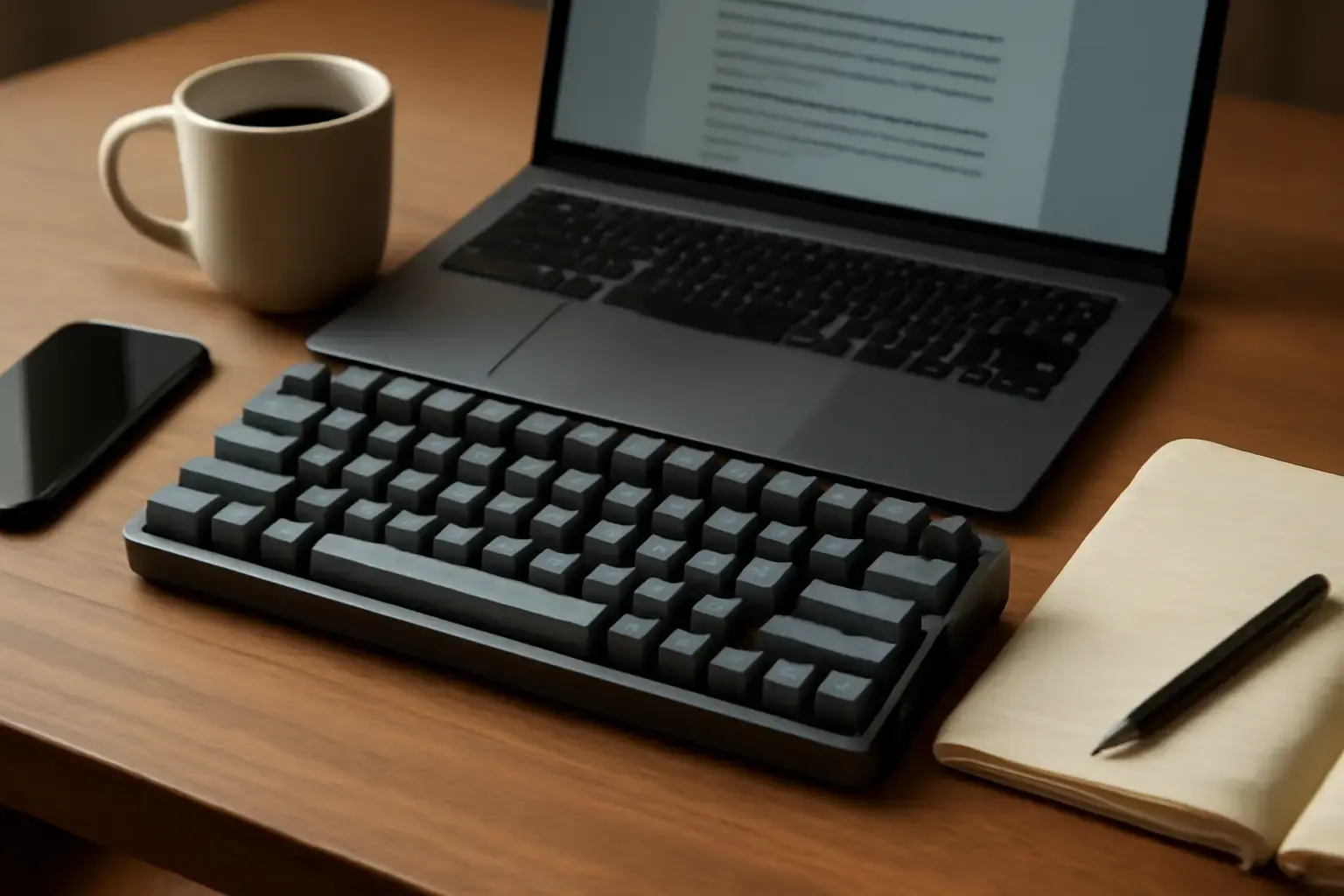
Why Quiet Mechanical Keyboards Matter for Writers
Mechanical keyboards are celebrated for their tactile feedback and durability, cherished features for writers logging hours on end at their desks. But traditional mechanical switches often produce loud clicks and clacks that can become a distraction—not only for the typist but also for anyone nearby. For writers who engage in long typing sessions, whether crafting novels, reports, or articles, a noisy keyboard can break concentration and increase mental fatigue.
Quiet mechanical keyboards use specialized switches or sound-dampening features to reduce auditory distractions without sacrificing the satisfying tactile feedback mechanical keyboards are known for. Choosing the right quiet switch keyboard is crucial to maintain both productivity and comfort in writing marathons.
Related reading: How to Troubleshoot Common Virtual Keyboard Issues Affecting Typing Accuracy on Android and iOS Devices
Understanding Quiet Switch Technologies and Their Typing Feel
Not all quiet mechanical switches are created equal. It's essential to understand the differences, as these influence typing comfort, accuracy, and speed:
- Linear Quiet Switches: These switches provide smooth keystrokes without tactile bumps or audible clicks. Examples include Cherry MX Silent Red or Gateron Silent Red. They produce minimal noise due to internal dampeners, making them excellent for quiet environments.
- Tactile Quiet Switches: Featuring a noticeable bump without the loud click, these switches balance feedback and quietness. Cherry MX Silent Brown is a classic example, preferred by typists who want some tactile resistance but less noise.
- Electrostatic Capacitive or Optical Quiet Switches: Newer technologies like Topre or optical low-noise switches offer premium smoothness with subdued sound, but they often come at a premium price and require compatible keyboards.
- Sound Dampening Enhancements: Beyond switch types, some keyboards include foam or silicone sound-absorbing materials in the case and under the keycaps. This reduces bottom-out noise and overall acoustics during deep key presses.
For writers, tactile quiet switches tend to offer the best blend of typing accuracy and comfort, especially for extended sessions where finger fatigue matters.
Top Mechanical Keyboards with Quiet Switches Ideal for Writers in 2026
After comparing current-generation models available in 2026, these keyboards stand out for their excellent quiet switch options optimized for long writing sessions:
See also: Best Wireless Mechanical Keyboards for Remote Developers in 2026: Low Latency Meets Typing Comfort
- Keychron Q1 Pro with Gateron Silent Red Switches: A premium 75% keyboard featuring hot-swappable switches and robust sound-dampening foam. The Gateron Silent Reds are linear and whisper-quiet, ideal for distraction-free writing without sacrificing smoothness.
- Varmilo VA87M with Cherry MX Silent Brown: Renowned for build quality and refined typing feel, the VA87M includes Cherry’s tactile silent switches that reduce noise while preserving key feedback, perfect for writers who prefer tactile cues.
- Leopold FC660C Topre Electrostatic Capacitive Keyboard: A classic in high-end quiet typing, the Topre switches offer an entirely different typing experience—ultra-smooth and notably quieter than standard mechanical switches. Best for writers who want exceptional typing comfort and can invest in a premium device.
- Keychron K8 Pro with optical silent switches: This wireless-friendly keyboard combines advanced optical switches with quiet operation and an ergonomic layout that supports long typing hours.
- Glorious GMMK Pro with sound-absorbing mods: For writers who want customization, the GMMK Pro supports hot-swappable switches. Pair it with silent switch replacements and optional foam mods to achieve minimal noise and ergonomic comfort.
Each of these keyboards supports full-size typing layouts or compact variants favored by writers with limited desk space. They blend quiet operation with the responsiveness that mechanical keyboard enthusiasts expect and that writers need for precise typing.
Common Mistakes When Choosing Quiet Keyboards for Writing
Many writers gravitate toward quiet keyboards but miss key considerations that impact long-term satisfaction:
You may also like: Best Ergonomic Keyboards Under $150 for Remote Workers Prone to Wrist and Finger Fatigue in 2026
- Ignoring Typing Feel: Opting solely for quiet switches without feeling the tactile feedback can result in a keyboard that feels mushy and causes more fatigue due to lack of key travel precision.
- Overlooking Build Quality: A cheap keyboard with silent switches won’t deliver durable sound dampening or comfortable typing. Investing in solid construction is vital for long sessions.
- Neglecting Ergonomics: Quiet does not mean ergonomic. Keyboards without wrist support, proper angle, or suitable key profile can cause discomfort regardless of switch noise.
- Expecting Complete Silence: Even the quietest mechanical keyboards produce some sound. Understanding this helps set realistic expectations about background typing noise.
Practical Tips for Writers to Choose and Setup Quiet Mechanical Keyboards
Before buying, consider these practical tips to get the best typing experience without distractions:
- Try Before You Buy: Visit stores or order switch testers online to physically feel the quiet switches you’re considering.
- Consider Hot-Swappable Models: Keyboards like the Keychron Q1 Pro let you experiment with different quiet switches without buying a new keyboard.
- Add Sound Dampening Mods: Internal foam mats or o-rings under keycaps can further reduce noise and typing impact.
- Invest in Ergonomic Accessories: Use wrist rests and adjust keyboard tilt to reduce fatigue during long writing marathons.
- Optimize Your Workspace: Combine a quiet keyboard with noise-canceling headphones or ambient sound machines for maximum focus.
- Choose a Layout That Fits Your Workflow: Full-size vs compact, ANSI vs ISO, and dedicated media keys can affect comfort and productivity.
For further advice on compact quiet keyboards suited for small home offices, visit Best Compact Mechanical Keyboards for Writers Needing Quiet, Comfortable Typing in Small Home Offices. If finger fatigue is a concern, check out How to Choose a Mechanical Keyboard for Writers Struggling With Finger Fatigue During Long Typing Sessions in 2026.
Final Recommendation
For writers who spend long hours typing and need to avoid distractions, mechanical keyboards with quiet tactile switches provide the best balance of sound reduction, typing accuracy, and comfort. The Keychron Q1 Pro with silent linear switches offers a versatile choice for both customization and noise control. For those seeking the pinnacle of quietness with premium feel, Leopold’s Topre-based VA660C remains unmatched. Avoid cheap silent switch keyboards that compromise typing feel or build quality, as these will undermine your comfort and productivity over time. Invest in a keyboard thoughtfully matched to your typing style, workspace, and noise tolerance to unlock distraction-free, enjoyable writing marathons.