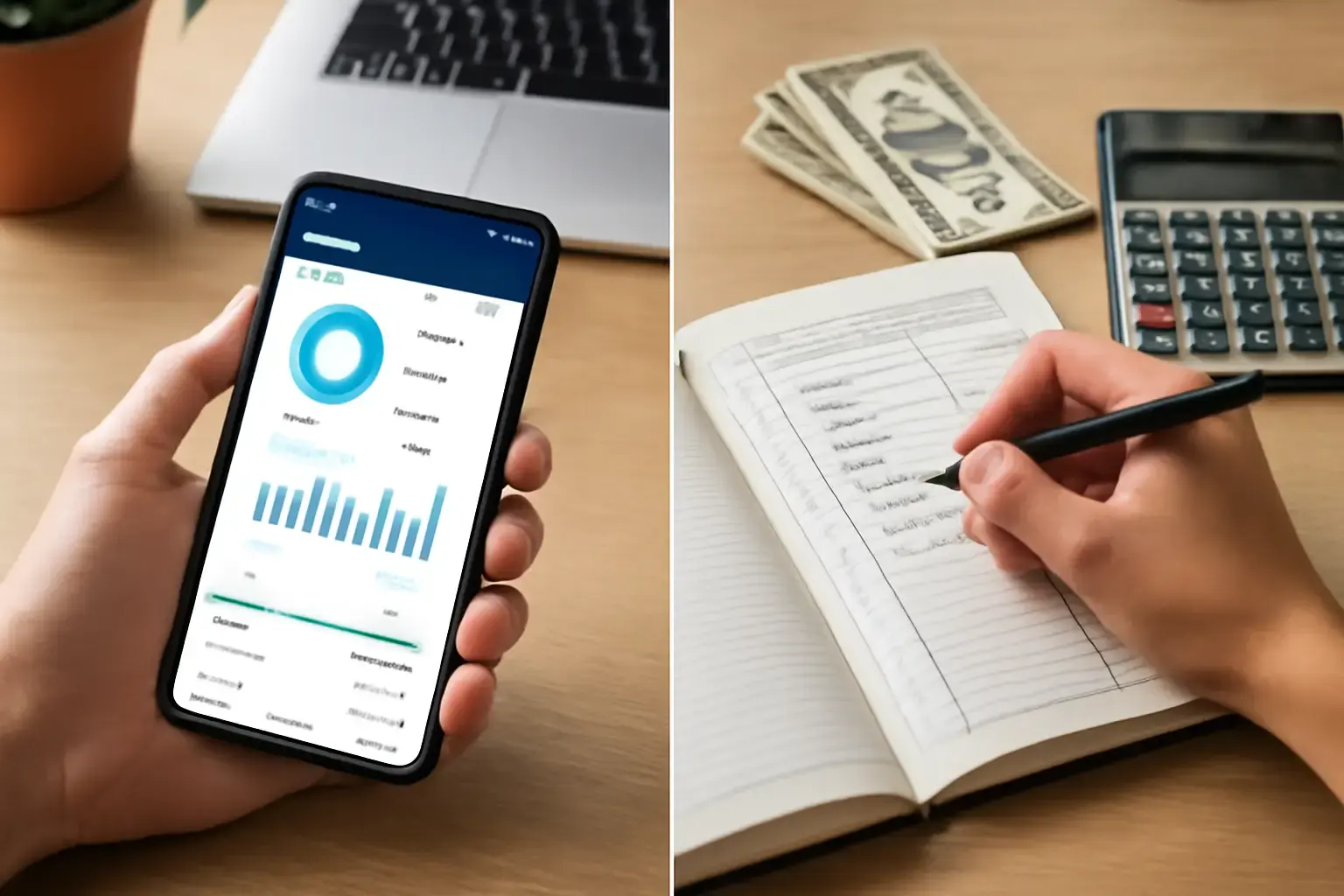
Why Choosing the Right Personal Finance App Matters in 2026
Your smartphone is no longer just a place to check your bank balance—it’s effectively your financial command center. From real-time expense tracking to investment monitoring and subscription management, personal finance apps now shape how people interact with money daily. But that convenience comes with a catch: the wrong app can quietly derail your financial habits instead of improving them.
The market in 2026 is crowded with tools that look similar on the surface but operate on very different philosophies. Some prioritize automation and convenience, while others push discipline and intentional spending. Choosing between them isn’t just about features—it’s about aligning the tool with how you actually behave with money.
If you pick an app that doesn’t match your habits, you’ll abandon it within weeks. If you pick the right one, it becomes a system you rely on—one that reduces financial anxiety and helps you make better decisions without overthinking every purchase.
Top Personal Finance Apps in 2026: What They Actually Do Well
Instead of looking at feature lists alone, it’s more useful to understand where each app genuinely excels—and where it falls short in real-world use.
-
Mint (Intuit)
Best for: Users who want automation with minimal effort.
Mint remains one of the easiest entry points into personal finance management. Its biggest strength is automation: connect your accounts once, and it handles categorization, bill reminders, and spending summaries with very little input required.
Where it shines:
- Fast setup with broad bank compatibility
- Clear overview of spending patterns
- Built-in credit score monitoring
Trade-offs to consider:
- Ads and financial product suggestions can feel intrusive
- Occasional syncing issues can create temporary inaccuracies
- Less control for users who want to fine-tune every category
Mint is ideal if you want visibility without effort—but it’s not built for users who want strict financial discipline.
-
YNAB (You Need A Budget)
Best for: People serious about controlling every dollar.
YNAB isn’t just an app—it’s a methodology. It forces you to assign every unit of money a purpose before you spend it. This creates awareness and prevents overspending, but it requires commitment.
Where it shines:
- Zero-based budgeting that builds strong habits
- Encourages proactive financial planning
- Strong educational ecosystem and support
Trade-offs to consider:
- Requires consistent input and discipline
- Learning curve can be intimidating at first
- Subscription cost may deter casual users
If you’ve struggled with overspending or want to break the paycheck-to-paycheck cycle, YNAB is one of the most effective tools available—but only if you commit to using it properly.
-
Personal Capital
Best for: Tracking investments and long-term wealth.
Personal Capital is less about daily budgeting and more about understanding your overall financial picture. It combines account aggregation with investment analysis tools that go beyond what most budgeting apps offer.
Where it shines:
- Excellent net worth tracking
- Investment portfolio insights and allocation analysis
- Retirement planning tools
Trade-offs to consider:
- Budgeting features are basic compared to competitors
- Best suited for users with investments—not beginners
- Interface can feel less focused on daily spending
If your primary concern is growing wealth rather than managing daily expenses, this is one of the strongest options available.
-
Goodbudget
Best for: Shared budgeting without bank connections.
Goodbudget takes a traditional envelope budgeting system and digitizes it. It’s intentionally manual, which makes it appealing for users who want full control or prefer not to link financial accounts.
Where it shines:
- Great for couples and families managing shared finances
- Simple and predictable system
- No dependency on bank syncing
Trade-offs to consider:
- Manual entry can become tedious over time
- Lacks automation and advanced analytics
- Not ideal for users who want real-time tracking
This app works best for disciplined users who value simplicity and privacy over convenience.
-
Emma
Best for: Users who want modern UX and smart insights.
Emma targets a younger, mobile-first audience with a clean interface and AI-driven insights. It focuses heavily on identifying subscriptions, spending trends, and opportunities to save.
Where it shines:
- Strong user interface and visual insights
- Subscription tracking and alerts
- AI-based recommendations
Trade-offs to consider:
- Free version is limited
- AI insights can sometimes feel generic
- Advanced features require a paid plan
Emma is best suited for users who want a modern experience and light guidance rather than strict budgeting rules.
How to Choose the Right App for Your Financial Style
The biggest mistake people make is choosing an app based on popularity instead of compatibility. The right choice depends on how you think about money and how much effort you’re willing to invest.
- Automation vs. Control
If you want minimal effort, choose an app with strong bank syncing like Mint or Personal Capital. If you prefer intentional spending and hands-on control, YNAB or Goodbudget will serve you better. - Short-Term Budgeting vs. Long-Term Planning
If your goal is to stop overspending, focus on budgeting tools. If you care more about investments and net worth growth, Personal Capital becomes far more relevant. - Free vs. Paid Experience
Free apps often rely on ads or upsells. Paid apps tend to offer cleaner experiences and deeper functionality—but only justify the cost if you actually use them consistently. - Time Commitment
Be realistic about how much time you’re willing to spend. A powerful system like YNAB can fail if you don’t maintain it. On the other hand, fully automated tools may lack the behavioral impact some users need.
A Practical Comparison of Key Differences
| App | Automation Level | Best Use Case | Effort Required | Key Limitation |
|---|---|---|---|---|
| Mint | High | All-in-one tracking | Low | Ads and syncing issues |
| YNAB | Medium | Strict budgeting | High | Learning curve |
| Personal Capital | High | Investment tracking | Low | Weak budgeting tools |
| Goodbudget | Low | Shared budgeting | Medium | No automation |
| Emma | Medium | Insights and subscriptions | Low | Limited free features |
Common Mistakes to Avoid When Choosing a Finance App
Even experienced users fall into predictable traps when selecting financial tools. Avoiding these can save you time and frustration.
- Chasing features instead of usability.
An app packed with features is useless if you don’t enjoy using it. Simplicity often leads to better long-term results. - Overestimating your discipline.
Many users start with manual budgeting tools and abandon them within weeks. Be honest about your habits. - Ignoring privacy considerations.
Linking accounts requires trust. Always review permissions and data policies before committing. - Switching apps too frequently.
Constantly changing tools prevents you from building consistent habits. Give each app enough time to evaluate properly. - Expecting AI to fix your finances.
AI insights can highlight patterns, but they won’t replace decision-making. Treat them as guidance, not solutions.
Final Recommendation: Choosing What Actually Works for You
The best personal finance app isn’t the one with the most features—it’s the one that fits seamlessly into your life and reinforces better habits.
If you want a low-effort overview of your finances, Mint is still the most accessible starting point. If your goal is to actively change your financial behavior and gain control over spending, YNAB stands out as the most effective system available. For users focused on wealth building and investments, Personal Capital offers insights that most budgeting apps simply don’t provide.
Goodbudget is a strong choice for households that prefer shared control without linking accounts, while Emma appeals to users who value design and lightweight insights over strict systems.
Pick one, commit to it for a few months, and evaluate based on real usage—not first impressions. Consistency matters more than perfection, and the right app should make managing money feel clearer, not more complicated.
For further insights on productive mobile apps, check out our take on note-taking apps in 2026 or explore task management solutions to complement your finance setup.
Related: Mastering Focus and Time Tracking: The Best Phone and Tablet Apps for 2026
Related: Best Phones Launched in Early 2026 for Mobile Productivity Users: Buying and Setup Guide 📱💡
Related: Best Mechanical Keyboards Under $150 for Developers in 2026 ⌨️