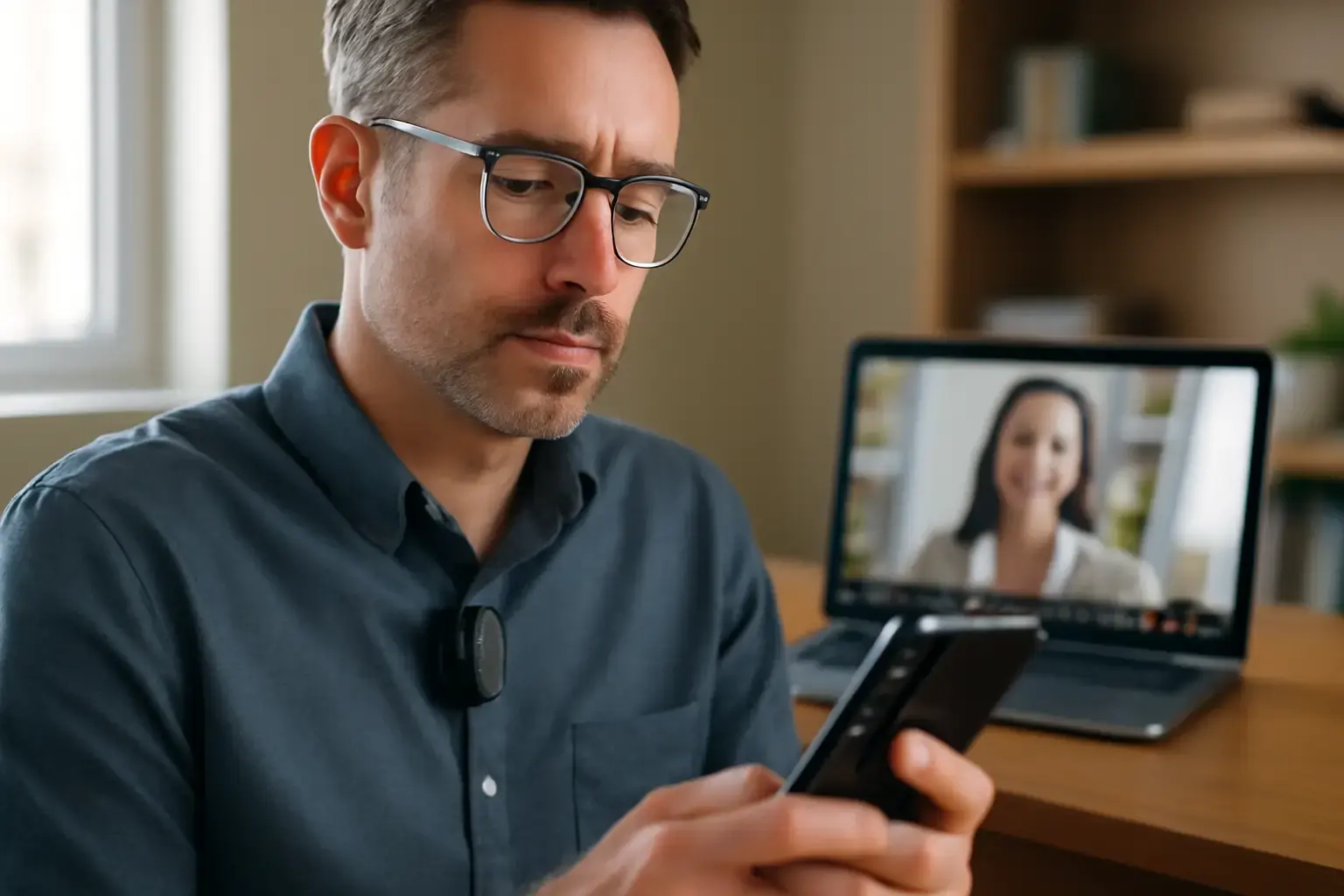
Why Bluetooth Microphone Quality Makes or Breaks Your Online Teaching and Conferencing Experience
Clear communication is the foundation of successful online teaching, virtual training, and professional video conferencing. While many people rely on built-in laptop microphones, the difference between average audio and professional-quality voice clarity becomes obvious the moment background noise, echo, or unstable connections enter the conversation.
A low-quality Bluetooth microphone can create muffled speech, robotic audio artifacts, latency issues, and inconsistent volume levels. These problems quickly lead to listener fatigue, reduced engagement, misunderstandings, and a less professional overall experience. For educators, trainers, consultants, and remote workers, poor audio quality can negatively affect student attention, meeting productivity, and even perceived credibility.
Investing in a modern Bluetooth microphone under $150 is no longer just about convenience. Current-generation wireless microphones for 2026 now offer significantly improved voice isolation, AI-assisted noise reduction, longer battery life, and better cross-platform compatibility than older budget models.
If you regularly move during lessons, teach from shared spaces, switch between multiple devices, record presentations, or participate in daily Zoom and Google Meet sessions, a dedicated Bluetooth microphone can dramatically improve both communication quality and workflow efficiency.
Related reading: How to Choose the Best Noise-Canceling Headphones for Remote Workers in Noisy Shared Apartments Under $250
What to Look for in a Bluetooth Microphone for Online Teaching in 2026
Not all wireless microphones perform equally well for remote teaching and conferencing. Some are designed primarily for casual content creation, while others focus on professional voice capture and communication stability. Choosing the right microphone means understanding which features actually matter in real-world teaching environments.
Stable Wireless Connectivity
Connection reliability is critical during live lessons and business meetings. Look for microphones using Bluetooth 5.0, Bluetooth 5.2, or hybrid wireless systems with low-latency transmission. Stable connectivity reduces audio dropouts, syncing problems, and interruptions during long sessions.
Many modern wireless microphone systems now combine Bluetooth functionality with dedicated 2.4GHz wireless transmission for better consistency and reduced interference in crowded Wi-Fi environments.
Voice Clarity and Noise Reduction
The best microphones for online teaching prioritize vocal clarity over exaggerated bass or studio coloration. Features such as DSP noise reduction, directional pickup patterns, AI-powered voice isolation, and dual-microphone processing help remove distractions like keyboard sounds, fans, traffic, or room echo.
This becomes especially important for educators teaching from apartments, shared offices, coworking spaces, or family environments.
Battery Life for Long Classes and Meetings
Battery performance matters more than many buyers realize. A microphone dying in the middle of a lecture or client meeting can disrupt momentum and create unnecessary stress.
For reliable daily use, aim for:
- At least 6–8 hours of continuous runtime
- USB-C fast charging support
- Portable charging cases when available
- Quick recharge times between sessions
Compatibility Across Devices
Modern educators often switch between Windows laptops, MacBooks, iPads, Android phones, and tablets. A good Bluetooth microphone should work smoothly across major platforms without requiring complicated adapters or unstable third-party drivers.
Before buying, verify compatibility with:
- Zoom
- Google Meet
- Microsoft Teams
- Skype
- OBS Studio
- YouTube Live
- Discord
- Recording apps on iOS and Android
Comfort and Portability
For long teaching sessions, lightweight microphones make a noticeable difference. Compact clip-on lavalier systems and portable wireless transmitters are ideal for teachers who move frequently while presenting.
Portability also matters for hybrid workers, online tutors, coaches, and traveling professionals who need a reliable setup without carrying bulky audio equipment.
Best Current-Gen Bluetooth Microphones for Online Teaching and Video Conferencing Under $150
After comparing audio quality, wireless stability, battery performance, real-world usability, and overall value, these are the strongest Bluetooth microphone options for educators and remote professionals in 2025–2026.
-
Rode Wireless ME
The Rode Wireless ME has become one of the best-value wireless microphone systems for online teaching in 2026. Designed specifically for creators, presenters, educators, and remote professionals, it delivers impressive voice clarity with an extremely beginner-friendly setup.
The compact transmitters include built-in microphones with intelligent gain assistance that automatically balances volume levels during conversations and presentations. This helps reduce sudden loud peaks or quiet speech issues common in live teaching environments.
Key strengths include:
- Excellent voice clarity for Zoom and Google Meet
- Ultra-fast pairing and setup
- USB-C and Lightning compatibility
- Compact and lightweight design
- Reliable wireless range
- Strong battery efficiency
For educators who want simple plug-and-play performance without dealing with complex audio settings, the Rode Wireless ME is one of the safest current-generation choices under $150.
-
DJI Mic Mini
DJI has rapidly become one of the most respected names in compact wireless audio systems. The DJI Mic Mini offers exceptional portability and modern noise reduction technology at a price accessible to remote workers and teachers.
Its intelligent audio processing helps isolate speech naturally while minimizing environmental distractions. The compact transmitter clips easily onto clothing and remains comfortable during long teaching sessions.
Why it stands out:
- Excellent AI-assisted noise reduction
- Very compact and discreet design
- Strong battery life with charging case
- Clear vocal reproduction
- Stable wireless connectivity
- Ideal for mobile teaching setups
For educators frequently teaching from different locations or recording quick instructional videos, the DJI Mic Mini offers one of the most balanced portability-to-performance ratios in this price category.
-
Boya BY-V4U Wireless Lavalier System
Boya continues improving its budget wireless microphone lineup, and the BY-V4U has become one of the strongest affordable lavalier systems for teachers and video conferencing users in 2026.
Unlike many older low-cost wireless microphones, the BY-V4U provides noticeably cleaner voice pickup, improved latency management, and better USB-C connectivity for modern laptops and tablets.
Main advantages include:
- Affordable pricing
- Good speech intelligibility
- Simple setup process
- Compact wireless transmitters
- Decent environmental noise handling
- Solid compatibility with mobile devices
While it does not match the refinement of premium Rode systems, it delivers excellent value for educators working with tighter budgets.
-
Hollyland Lark M2
The Hollyland Lark M2 has gained strong popularity among online educators, streamers, and remote presenters thanks to its lightweight design and surprisingly professional audio performance.
Its transmitters are extremely small yet capable of capturing detailed vocal audio with minimal background interference. The system also performs very well during movement, making it ideal for dynamic teaching environments.
Highlights include:
- Professional-level audio quality
- Very lightweight design
- Excellent battery optimization
- Reliable wireless transmission
- Strong voice isolation performance
- Great for presentations and tutorials
If you teach while standing, demonstrating products, writing on boards, or moving around frequently, the Lark M2 is one of the best mobility-focused options currently available under or near the $150 range.
-
Shure MV88+ Video Kit
Although technically a hybrid wired/wireless solution depending on the setup configuration, the Shure MV88+ remains one of the most respected compact microphones for professional voice quality.
Shure’s audio processing is exceptionally polished, delivering rich vocal detail with strong noise management and customizable DSP controls. It works especially well for educators recording premium lessons, webinars, or professional presentations.
Key benefits:
- Studio-quality voice reproduction
- Advanced DSP customization
- Excellent app integration
- Strong compatibility with smartphones and tablets
- Reliable long-term durability
- Professional-grade recording quality
For users prioritizing maximum audio quality over ultra-light portability, the MV88+ remains one of the strongest premium options near this budget category.
Common Mistakes to Avoid When Buying a Bluetooth Microphone
Many buyers focus too heavily on marketing claims while overlooking practical usability. Avoiding these common mistakes can save both money and frustration.
Ignoring Real-World Compatibility
Some microphones work perfectly on smartphones but struggle with desktop conferencing apps. Others require additional adapters or have inconsistent support across operating systems.
Always confirm compatibility with your primary teaching devices before purchasing.
Prioritizing Music Recording Instead of Voice Communication
Microphones designed for music or cinematic recording are not always ideal for live conferencing. Online teaching benefits more from clear speech intelligibility, stable wireless performance, and low latency than overly sensitive studio-style audio.
Underestimating Latency
Audio delay creates awkward interruptions and reduces conversational flow during live discussions. Low-latency wireless systems are especially important for interactive teaching and collaborative meetings.
Buying Older Wireless Systems
Some older microphone kits still appear in recommendations despite outdated wireless technology and weaker compatibility with modern devices.
Current-generation systems released or updated for 2025–2026 generally offer:
- Better battery efficiency
- Improved AI noise reduction
- Lower latency
- More stable connectivity
- Better smartphone integration
- USB-C compatibility
Neglecting Noise Reduction Features
If you teach from shared spaces or noisy homes, strong noise handling becomes essential. A microphone without proper noise filtering can make even excellent presentations difficult to follow.
How to Improve Your Bluetooth Microphone Performance
Even the best microphone performs poorly when positioned incorrectly or used in an unsuitable environment. A few adjustments can significantly improve voice quality during online teaching and video conferencing.
You may also like: Wireless Earbuds vs Over-Ear Headphones for Remote Workers in 2026: Comfort and Battery Life Decoded
- Place lavalier microphones near the upper chest area for balanced vocal pickup.
- Avoid positioning the microphone directly against fabric to reduce rustling sounds.
- Use soft room furnishings like curtains or rugs to reduce echo during meetings.
- Test microphone gain levels before classes to prevent clipping or distortion.
- Keep firmware and device drivers updated for better wireless stability.
- Reduce nearby wireless interference from crowded Wi-Fi devices when possible.
- Charge microphones fully before long teaching sessions or webinars.
- Use headphones during conferencing to eliminate speaker feedback and echo.
For more tips on related audio gear choices, check out our guides on budget Bluetooth headphones for students and best microphones for podcasters on a budget, which share overlapping considerations.
Final Recommendation: Which Bluetooth Microphone Offers the Best Value in 2026?
For most online teachers, tutors, coaches, and remote professionals, the Rode Wireless ME currently offers the best overall balance of sound quality, simplicity, portability, and reliability under $150.
If portability and lightweight comfort are your top priorities, the DJI Mic Mini and Hollyland Lark M2 are excellent current-generation choices that perform exceptionally well for mobile teaching and hybrid work setups.
Budget-conscious educators looking for affordable wireless freedom without major compromises should strongly consider the Boya BY-V4U, especially for everyday Zoom classes and online meetings.
Meanwhile, users focused on higher-end vocal quality for webinars, recorded courses, and professional presentations will still appreciate the refined sound performance of the Shure MV88+.
Ultimately, the best Bluetooth microphone for online teaching depends on your environment, movement needs, preferred devices, and teaching style. Prioritizing stable wireless performance, clear vocal reproduction, strong battery life, and modern compatibility will help you create a far more professional and engaging experience for students, clients, and colleagues alike.