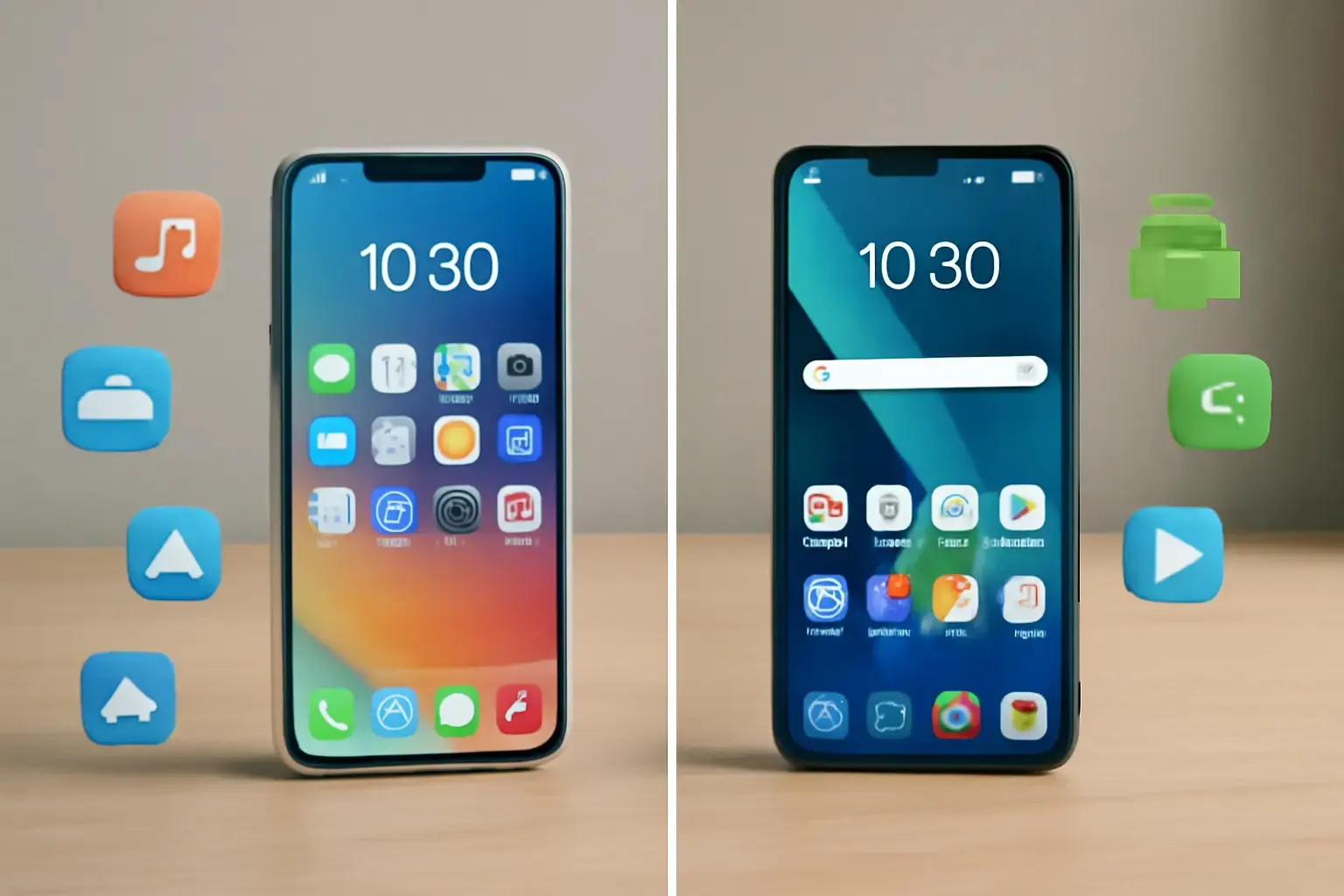
Beyond Specs: Why Ecosystem and Usability Trump Raw Power in 2026
The smartphone market in 2026 has reached a level of maturity where raw performance is no longer the deciding factor for most buyers. Whether you pick an iPhone or a flagship Android device, you’re getting fast processors, capable cameras, and smooth displays. The real difference—the one you’ll feel every single day—comes down to ecosystem integration, software consistency, usability, and long-term reliability.
This shift is important. Many buyers still fall into the trap of comparing chip speeds, RAM numbers, or megapixels, assuming those metrics define the experience. In reality, they rarely do. What matters more is how well your phone fits into your daily workflow, how long it stays secure and updated, and how effortlessly it connects with the rest of your digital life.
If you’re choosing a phone in 2026, you’re not just picking a device—you’re choosing a platform. And that decision has long-term consequences. Let’s break down what actually matters, who each ecosystem is best for, and how to avoid costly mistakes.
Why Ecosystem Matters More Than Hardware
Modern smartphones are no longer standalone devices. They are hubs that connect your laptop, smartwatch, earbuds, cloud storage, and even your car. This is where ecosystem strength becomes the defining factor.
Apple has built a tightly controlled ecosystem where hardware and software are deeply integrated. Features like AirDrop, Handoff, and universal clipboard are not flashy, but they save time every day. You can start writing an email on your iPhone and finish it on your Mac without thinking about it. That kind of frictionless continuity is difficult to replicate elsewhere.
Android, on the other hand, takes a more open and flexible approach. Instead of one unified ecosystem, you get a network of services—primarily from Google—that work across devices and platforms. This makes Android more adaptable, especially if you use a mix of Windows PCs, Chromebooks, or different brands of accessories.
The trade-off is clear:
- Apple: Seamless, tightly integrated, predictable experience
- Android: Flexible, customizable, but sometimes less consistent
Neither approach is universally better. The right choice depends on how you use your devices and how much control you want.
Who Should Buy an iPhone in 2026?
The iPhone continues to be the default recommendation for users who prioritize stability, longevity, and ease of use. It’s not about having the most features—it’s about having the right features implemented well.
You should strongly consider an iPhone if you fall into one of these categories:
- Already invested in Apple products: If you use a Mac, iPad, or Apple Watch, the iPhone becomes exponentially more valuable. The ecosystem integration is not just convenient—it fundamentally changes how efficiently you work and communicate.
- Planning to keep your phone for years: Apple’s long software support cycle is a major advantage. You can realistically use an iPhone for 5–7 years without worrying about security updates or app compatibility.
- Prefer a predictable, low-maintenance experience: iOS minimizes surprises. Apps behave consistently, updates roll out on time, and you rarely need to troubleshoot.
- Care about privacy controls without complexity: Apple’s privacy features are built into the system in a way that’s easy to understand and manage.
Where the iPhone falls short:
- Limited customization compared to Android
- Fewer hardware variations (no foldables, fewer design choices)
- Higher entry price for newer models
- Less flexibility with default apps and file management
One common mistake is assuming the iPhone is only for “non-technical” users. In reality, it’s often the better choice for professionals who value reliability over experimentation. If your phone is a tool for work, consistency matters more than customization.
Who Should Consider Android in 2026?
Android’s biggest strength is choice. You’re not locked into one design philosophy or price range. Whether you want a compact phone, a massive display, a foldable device, or a budget-friendly option, Android has it.
Android is the better fit if you:
- Want control over your device: You can customize launchers, widgets, default apps, and system behavior in ways iOS doesn’t allow.
- Use Google services heavily: Gmail, Google Drive, Calendar, and Google Photos feel more native and deeply integrated on Android.
- Need hardware variety: From gaming phones to foldables to stylus-equipped devices, Android offers options that simply don’t exist in Apple’s lineup.
- Are budget-conscious: Android provides strong options at every price level, not just the premium segment.
But Android requires more careful selection:
- Software updates vary significantly by manufacturer
- Some devices include unnecessary pre-installed apps
- Performance consistency depends on optimization, not just specs
- Long-term reliability differs between brands
This is where many buyers go wrong. They assume all Android phones deliver the same experience. They don’t. Choosing the right manufacturer matters just as much as choosing the right platform.
Real-World Use Cases: Where Each Platform Wins
Abstract comparisons only go so far. The better way to decide is to look at how each platform performs in everyday scenarios.
| Use Case | Best Choice | Why It Matters |
|---|---|---|
| Social media, messaging, casual photos | iPhone | More consistent camera results and smoother app optimization |
| Customization and personalization | Android | Full control over interface, widgets, and defaults |
| Family device management | iPhone | Better built-in parental controls and shared services |
| Work and multitasking | Depends | iPhone for stability; Android for advanced multitasking features |
| Cross-platform users (Windows, mixed devices) | Android | Better compatibility outside a single-brand ecosystem |
The key takeaway: there’s no universal winner. The best phone is the one that fits your habits, not the one with the highest specs.
Common Buying Mistakes That Cost You Later
Even experienced buyers make decisions they regret. Here are the most common pitfalls—and how to avoid them:
- Focusing on specs instead of experience: A faster chip won’t fix poor software optimization. Real-world smoothness matters more than benchmark scores.
- Ignoring update policies: A cheaper phone can become expensive if it stops receiving updates early. Always check long-term support.
- Switching ecosystems without planning: Moving from iPhone to Android (or vice versa) can disrupt messaging, cloud storage, and accessories.
- Overbuying features you won’t use: Not everyone needs a stylus, 8K video, or advanced multitasking. Pay for what you actually use.
- Underestimating ecosystem lock-in: Once you invest in apps, subscriptions, and accessories, switching becomes harder than expected.
A practical tip: think about your next phone before buying your current one. If you expect to stay in the same ecosystem, invest accordingly. If you think you might switch, avoid accessories or services that tie you down.
Making the Right Decision in 2026
Choosing between iPhone and Android is less about which is “better” and more about which aligns with your priorities.
If you value consistency, long-term support, and a seamless ecosystem, the iPhone remains the safest and most predictable choice. It’s especially strong for users who want a device that simply works without ongoing maintenance.
If you prefer flexibility, hardware variety, and deeper control over your device, Android is the better platform—but only if you’re willing to choose your device carefully and accept some variability.
For deeper comparisons and model-specific recommendations, explore our Best Phones Launched in Early 2026 for Mobile Productivity Users: Buying and Setup Guide.
If your focus is productivity and multitasking, the Best Android phones for office work and multitasking guide highlights the strongest options available.
Still comparing flagship devices? The detailed breakdown in Samsung Galaxy S25 Ultra vs Apple iPhone 15 Pro Max goes beyond specs and focuses on real-world usability.
And if you want a broader framework for choosing a device, the How to Choose the Best Phone for Work and Productivity in 2026 guide breaks down what actually matters.
Related: Best Voice Typing Apps for Android and iPhone to Boost Productivity in 2026
Final recommendation: If you want the least friction, the longest lifespan, and the most reliable daily experience, choose an iPhone—especially if you’re already in Apple’s ecosystem. If you want flexibility, unique hardware options, and deeper customization, go with Android—but choose your device and brand carefully. The right decision isn’t about specs—it’s about how well your phone fits into your life over the next several years.